




What's Happening?
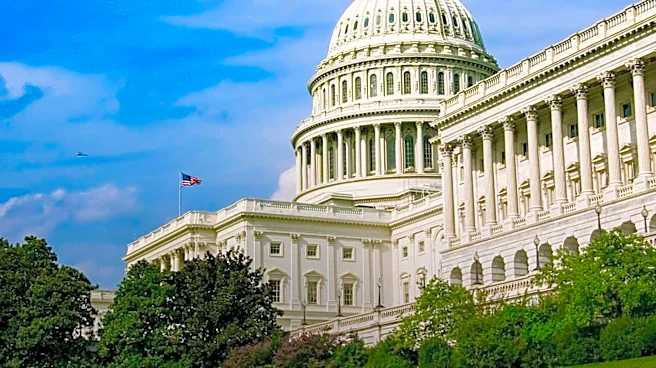
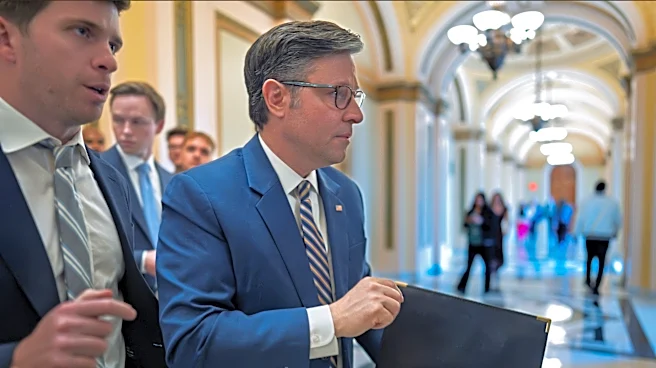
The U.S. House of Representatives has passed the Stop Insider Trading Act, a legislative measure aimed at prohibiting members of Congress, their spouses, and dependent children from purchasing stocks in publicly traded companies. This move comes in response
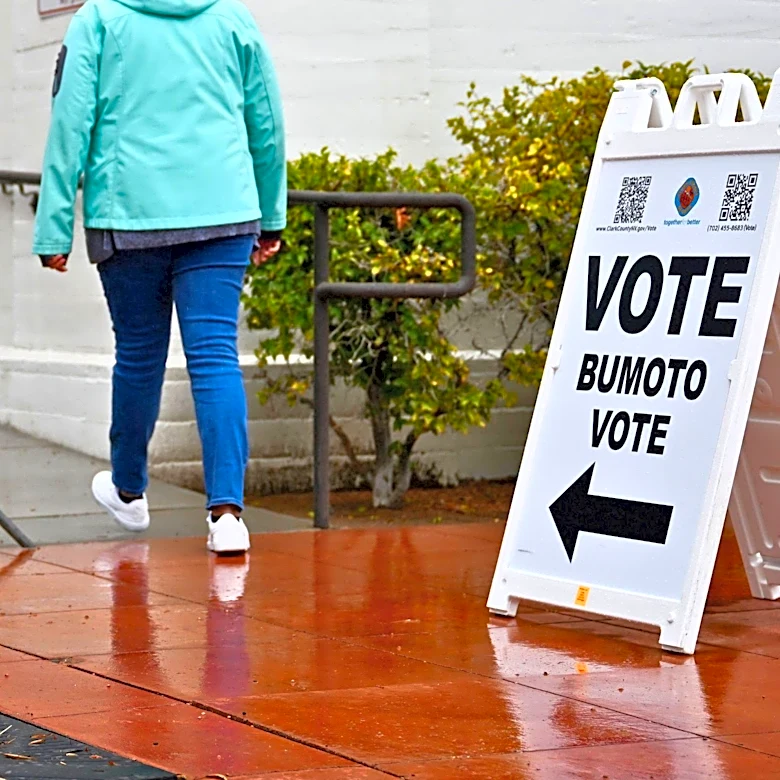
to longstanding concerns about lawmakers' portfolios outperforming the markets they regulate. The bill, co-sponsored by Rep. Chris Smith (R-NJ-04), seeks to prevent the use of insider information for personal financial gain. Under the proposed legislation, sitting members would be barred from buying individual securities and required to publicly disclose any stock sales. Violations would incur fines and forfeiture of any net gains. The bill also includes a provision mandating voter ID for federal elections, following reports of non-U.S. citizens being registered to vote in New Jersey.
Why It's Important?
The passage of this bill is significant as it addresses ethical concerns regarding potential conflicts of interest and insider trading among U.S. lawmakers. By imposing stricter regulations and penalties, the legislation aims to enhance transparency and accountability in Congress. This move could restore public trust in the legislative process by ensuring that elected officials do not exploit their positions for personal financial benefit. Additionally, the voter ID provision seeks to safeguard electoral integrity, addressing concerns about non-citizen voting. The bill's success in the House reflects a growing bipartisan consensus on the need for reform, though its future in the Senate remains uncertain.
What's Next?
The bill now advances to the Senate, where its fate will be determined. A companion measure has been introduced by Sen. Pete Ricketts (R-NE), and President Trump's support for a trading ban has garnered bipartisan attention. However, some lawmakers argue that the bill does not go far enough, as it allows members to retain existing holdings. The Senate's decision will be closely watched, particularly given the presence of high-performing portfolios among its members. The outcome could set a precedent for future legislative efforts to regulate congressional conduct and financial activities.