






What's Happening?
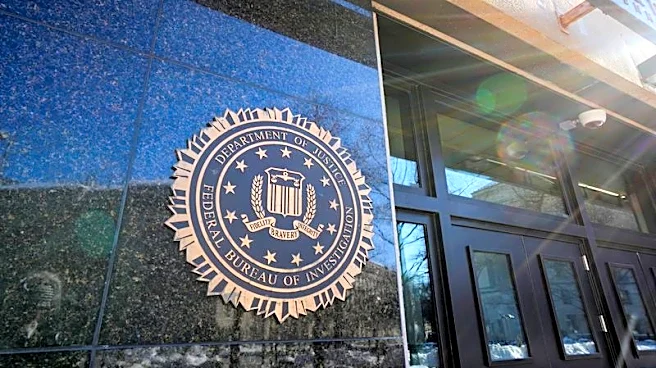
Federal authorities have successfully disrupted extensive cryptocurrency theft operations attributed to North Korean military hackers, known as TraderTraitor. Law enforcement officials dismantled cloud-based infrastructure used in a North Korean social
engineering campaign called FaceStealer, which had stolen over $400 million in the past 18 months. Additionally, federal agents secured court authorization to seize more than $1.2 billion in cryptocurrency stolen from the Binance exchange, part of a larger $6 billion theft attributed to TraderTraitor. Working with virtual asset service providers, authorities have frozen over $2.7 billion of the stolen Binance funds. The FaceStealer operation involved compromising victims' accounts to send deepfake video meeting invitations, recording webcams, and installing malware to steal cryptocurrency and hijack communication accounts.
Why It's Important?
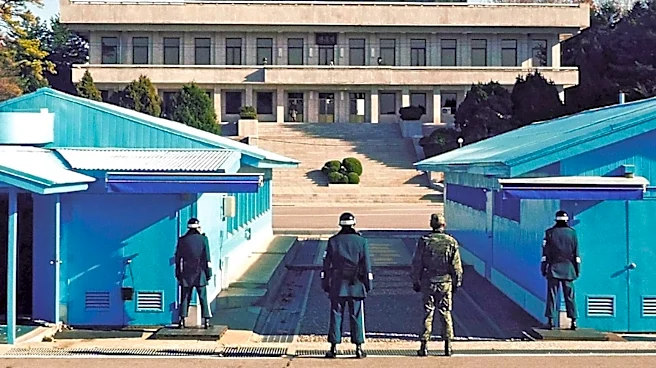
This disruption is a significant victory in the ongoing fight against state-sponsored cybercrime and financial terrorism. North Korea's use of cryptocurrency theft to fund its weapons programs poses a direct threat to international security and stability. By dismantling the infrastructure and seizing stolen assets, federal authorities are directly impacting North Korea's ability to finance illicit activities. This action also sends a strong message to other state-sponsored hacking groups and cybercriminals that their operations will be pursued and their ill-gotten gains recovered. For the cryptocurrency and Web3 sectors, it highlights the persistent security risks and the need for robust protective measures, while also demonstrating the capacity of law enforcement to track and recover digital assets.
What's Next?
Federal authorities will continue their efforts to recover the remaining stolen assets, as investigators noted that TraderTraitor actors are still attempting to launder funds through various cryptocurrency channels. The ongoing investigation will likely focus on identifying and prosecuting individuals involved in these operations and strengthening international cooperation to combat cybercrime. The cryptocurrency and Web3 industries may face increased scrutiny and pressure to enhance their security protocols and collaborate more closely with law enforcement to prevent future thefts. This disruption could also lead to further intelligence gathering on North Korea's cyber capabilities and funding mechanisms, potentially informing future policy decisions and sanctions.
Beyond the Headlines
The sophisticated nature of these North Korean operations, particularly the use of deepfake videos and social engineering, underscores the evolving threat landscape in cybersecurity. It highlights how advanced technologies can be weaponized for financial gain and geopolitical objectives. The incident also brings to light the dual challenge of securing digital assets and combating state-sponsored cyber warfare, which blurs the lines between traditional crime and national security threats. The recovery of such a substantial amount of stolen cryptocurrency sets a precedent for future actions against digital asset theft and reinforces the idea that cryptocurrency, despite its decentralized nature, is not entirely beyond the reach of law enforcement. This ongoing battle will likely shape future regulations and security standards within the digital finance ecosystem.