






What's Happening?
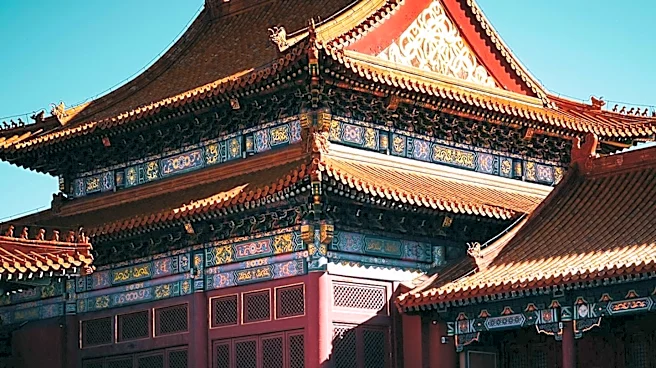
The Ming Dynasty (1368-1644) developed an intense demand for silver in the 16th century, primarily to fund large-scale projects such as the construction of the Forbidden City and repairs to the Great Wall of China. This demand led to the implementation
of a new tax system, the Single Whip Reform, which mandated tax payments in silver. Previously, taxes were paid in grain, cloth, or bronze/copper coinage. The Ming government's initial attempts to revive paper money proved unsuccessful, solidifying silver as the most reliable form of wealth, especially with increasing global trade. The Single Whip Tax system, credited to official Zhang Juzheng, was imposed from 1581 and combined land and labor dues based on land ownership. This reform aimed to consolidate various domestic taxes into a single silver payment, marking a significant shift in the dynasty's economic policy. The system faced some resistance from small farmers and eunuchs who saw their power to raise taxes diminished, but it ultimately remained in place well into the subsequent Qing Dynasty.
Why It's Important?
The Ming Dynasty's reliance on silver for its economy and taxation had profound implications for global trade and economic structures. The high demand for silver in East Asia made its value significantly higher there compared to Europe, creating lucrative opportunities for European merchants. This disparity fueled a massive influx of silver from Japanese mines and, more significantly, from Spanish America via the Manila galleons. China became a central hub in a sophisticated global trade network, absorbing a substantial portion of the silver mined in Mexico and Bolivia. This economic model facilitated the exchange of Chinese goods like silk, tea, and porcelain for silver, driving prosperity within the Ming Empire. However, the eventual disruption of silver supplies in the 17th century, due to factors like Japanese isolationism and reduced output from American mines, contributed to economic instability, deflation, and widespread rebellions, ultimately weakening the Ming rulers and paving the way for the Qing Dynasty.
What's Next?
The historical account concludes with the fall of the Ming Dynasty, making direct 'What's Next?' in a contemporary sense inapplicable. However, the long-term consequences of the Ming's silver-based economy illustrate critical lessons in economic dependency and global trade dynamics. The disruption of silver imports led to hoarding of both silver and grain, creating artificial shortages and exacerbating social unrest. This historical precedent highlights the vulnerabilities of economies heavily reliant on external resources and the potential for such dependencies to contribute to political instability and dynastic collapse. Future studies or analyses might further explore how similar economic dependencies have played out in other historical contexts or modern economies, offering insights into sustainable economic policies and risk management in global trade.
Beyond the Headlines
The Ming Dynasty's silver economy reveals deeper implications regarding the interconnectedness of global economies centuries before modern globalization. The insatiable demand for silver in China directly fueled the exploitation of indigenous populations in the Americas, who were subjected to forced labor and torture to extract silver from mines like Potosí. This historical period underscores the ethical dimensions of resource extraction driven by global trade demands, where the prosperity of one region was built upon the suffering and exploitation in another. Furthermore, the Ming's shift to a silver-based tax system reflects a broader trend towards monetized economies and away from in-kind payments, a fundamental transformation in economic governance. The eventual decline in silver supply and its role in the Ming's downfall also serves as a powerful historical example of how economic factors, when combined with political divisions, corruption, and natural disasters, can lead to the collapse of powerful empires, offering a cautionary tale about economic resilience and governance.