
What's Happening?
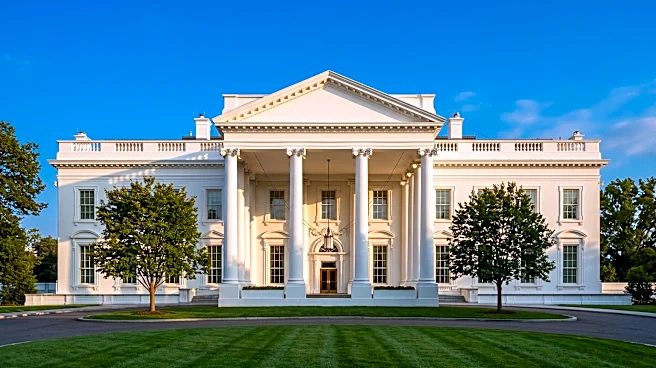
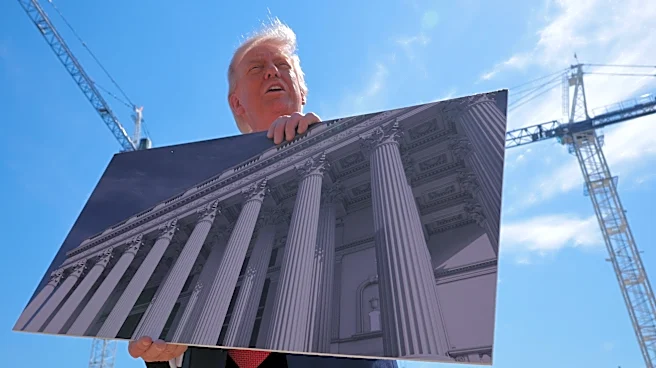
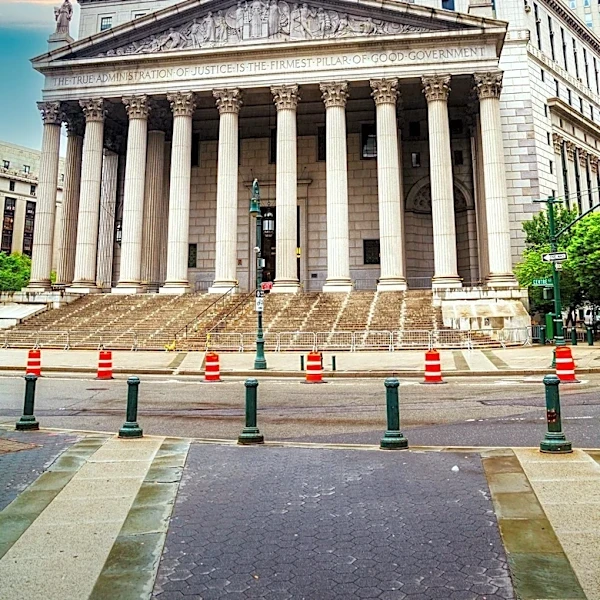
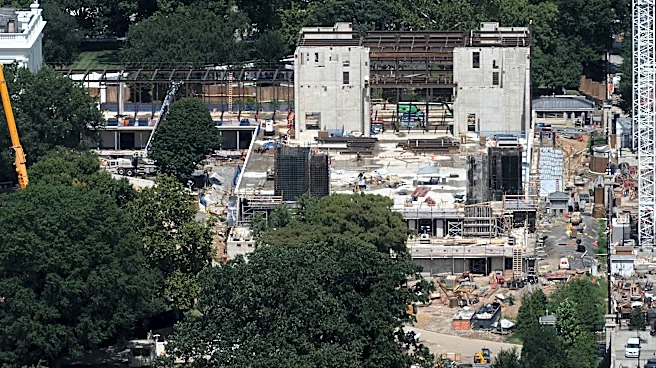
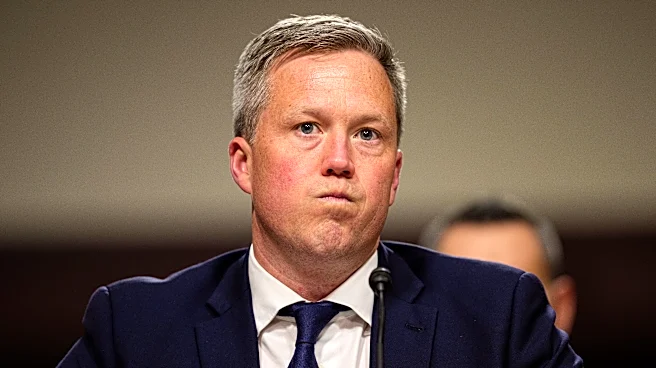
Justice Neil Gorsuch was among the five conservative justices who formed the majority in a recent 5-4 Supreme Court ruling. This decision dismissed a lawsuit filed by the National Trust for Historic Preservation, which aimed to challenge President Trump's
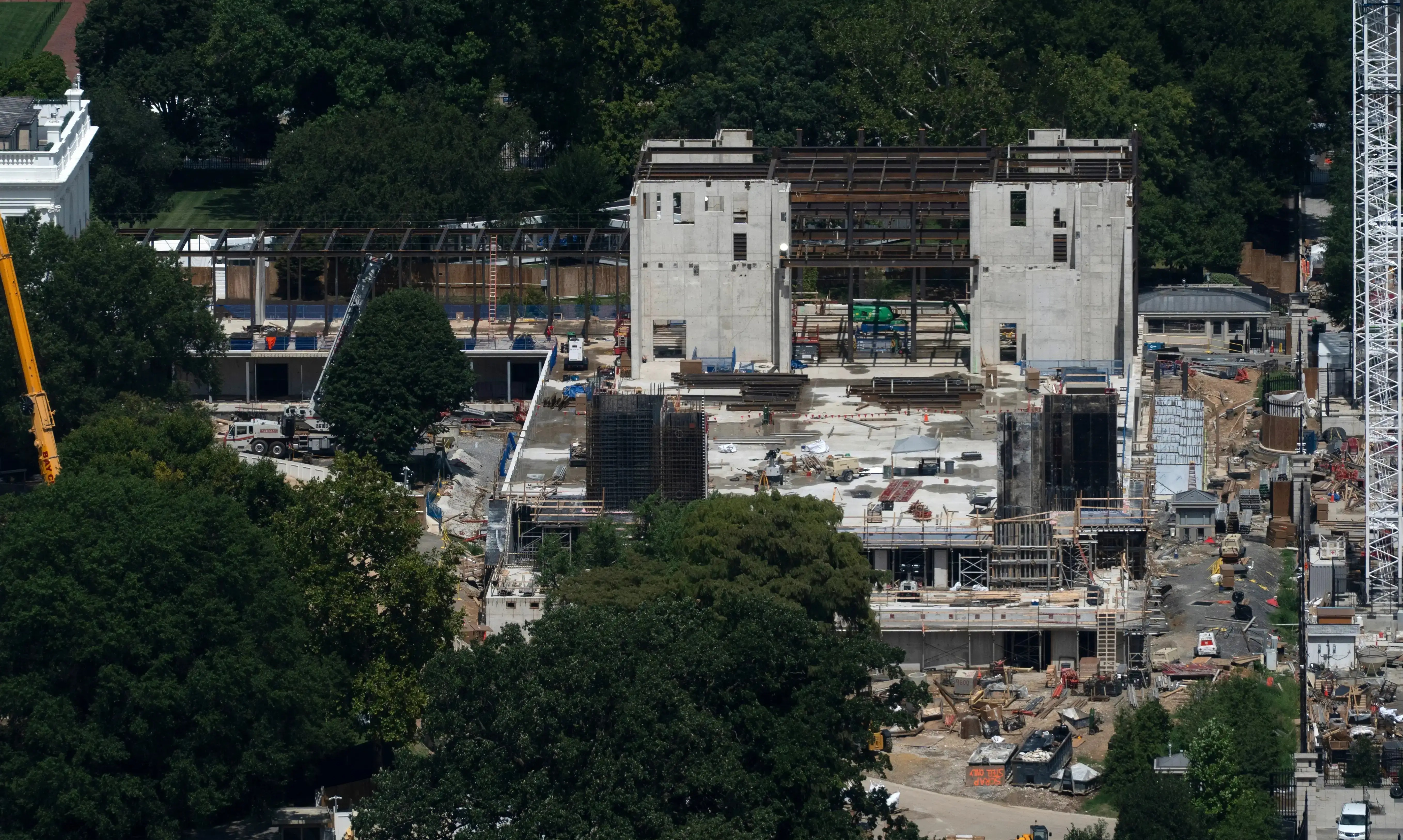
plans for constructing a White House ballroom. The majority opinion, as reported by SCOTUSBlog, stated that the plaintiff likely lacked the legal standing to challenge the project. Harvard University legal scholar Noah Feldman highlighted that this ruling has broader implications beyond the specific ballroom project, suggesting it significantly narrows the grounds for federal lawsuits by watchdog groups. The dissent in this case included Chief Justice John Roberts, along with Democrat-appointed Justices Sonia Sotomayor, Ketanji Brown Jackson, and Elena Kagan. The majority consisted of GOP-appointed Justices Samuel Alito, Clarence Thomas, Amy Coney Barrett, Brett Kavanaugh, and Neil Gorsuch.
Why It's Important?
This Supreme Court ruling, with Justice Gorsuch in the majority, is significant because it potentially limits the ability of watchdog organizations to challenge federal government actions. According to legal expert Noah Feldman, the decision goes further than previous rulings in denying 'standing' for such groups, even surpassing the stance of the late Justice Antonin Scalia in the 1992 case Lujan v. Defenders of Wildlife. This could make it more difficult for non-governmental organizations to hold the executive branch accountable for projects or policies, particularly in emergency docket cases that do not receive full oral arguments or briefing. The ruling raises concerns about the judiciary's capacity to act as a check on presidential authority, potentially undermining the rule of law by reducing avenues for legal challenges against government actions.
What's Next?
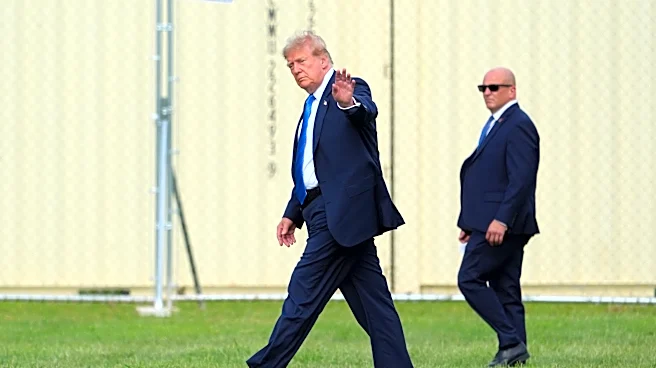
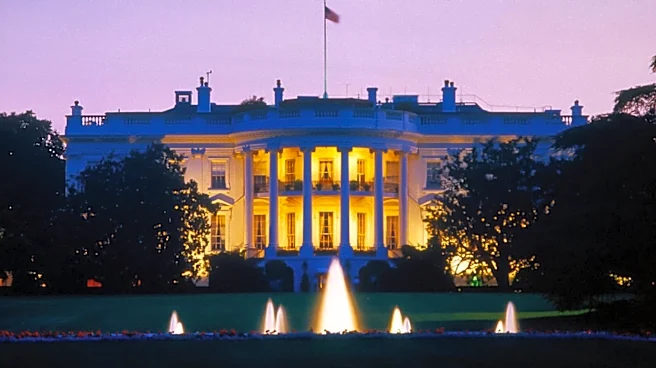
The immediate consequence of this ruling is that the National Trust for Historic Preservation's challenge to the White House ballroom construction has been dismissed, allowing President Trump's project to proceed without further legal obstruction from this specific lawsuit. In the broader context, legal scholars and watchdog groups will likely analyze this decision to understand its full implications for future litigation against federal government projects and policies. This ruling may prompt these groups to re-evaluate their strategies for challenging executive actions, potentially seeking alternative legal avenues or advocating for legislative changes to ensure greater accountability. The decision could also influence how lower courts interpret 'standing' in similar cases, setting a precedent that might restrict public interest litigation.
Beyond the Headlines
The deeper implications of this Supreme Court decision, supported by Justice Gorsuch, extend to the balance of power between the executive branch and the judiciary, as well as the role of civil society in overseeing government actions. By narrowing the definition of legal standing, the Court may inadvertently empower the executive branch by making it harder for external bodies to challenge its decisions. This could lead to a reduction in transparency and accountability, particularly in areas where executive actions might be controversial or have significant public impact. The ruling also touches upon the philosophical debate regarding who has the right to challenge government actions, especially when those actions affect public resources or historical preservation. It raises questions about the effectiveness of legal checks and balances when the threshold for bringing a lawsuit becomes increasingly high.