
What's Happening?
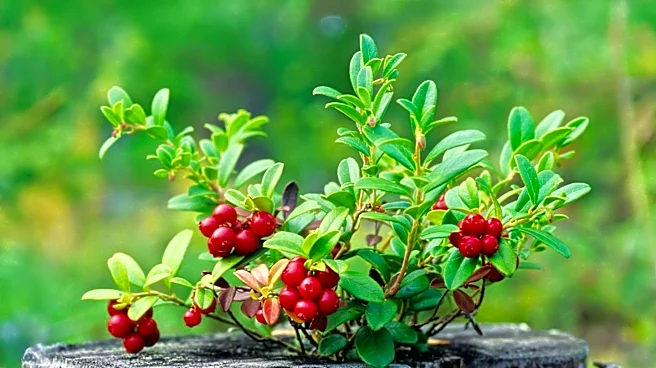
In Rochester, a community effort to restore a neglected cemetery has led to the unexpected discovery of wild black raspberries. The cemetery, which had been forgotten over time, was cleared by volunteers
who aimed to preserve the historical site. During the cleanup, the volunteers found that wild berries had begun to grow in the area. This discovery has added a new dimension to the restoration project, turning it into a unique Fourth of July tradition for the community. The presence of the berries has sparked interest and engagement from local residents, who are now more involved in the preservation efforts.
Why It's Important?
The discovery of wild berries in the restored cemetery highlights the potential for community projects to yield unexpected benefits. This initiative not only preserves a historical site but also fosters community spirit and engagement. The berries have become a symbol of renewal and growth, encouraging more people to participate in the restoration efforts. Such projects can enhance local biodiversity and provide educational opportunities about native plant species. Additionally, the involvement of the community in preserving their local history can strengthen social ties and promote a sense of shared heritage.
What's Next?
The community plans to continue the restoration efforts, with the wild berries now serving as a focal point for future activities. There may be opportunities to organize events around the berry harvest, further integrating the site into local traditions. The project could also inspire similar initiatives in other areas, encouraging communities to explore and restore forgotten historical sites. As interest grows, there may be potential for partnerships with local organizations to support the ongoing preservation and educational activities at the cemetery.
Beyond the Headlines
The emergence of wild berries in the cemetery raises questions about the ecological impact of urban restoration projects. It highlights the importance of considering native plant species in such efforts, which can contribute to local ecosystems and provide habitats for wildlife. The project also underscores the value of community involvement in environmental conservation, demonstrating how grassroots initiatives can lead to meaningful change. As more people become aware of the benefits of preserving natural and historical sites, there may be increased advocacy for similar projects across the country.