







What's Happening?
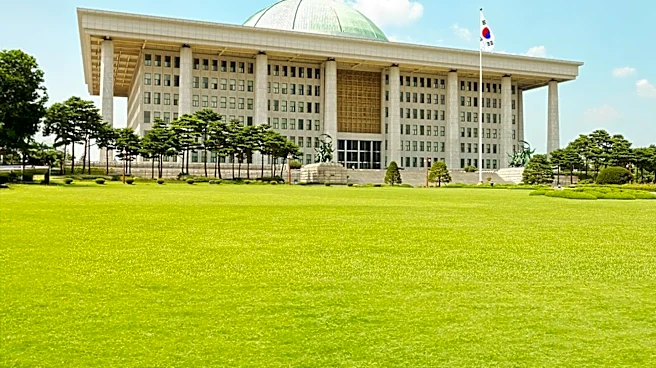
President Lee Jae Myung of Korea has called for an increase in agricultural subsidies to bolster food security and support farmers' livelihoods. In a recent statement, Lee emphasized the strategic importance of agriculture and noted that Korea's current
subsidies are significantly lower than those provided by the European Union and Japan. The call for increased subsidies comes amid rising revenues from a special rural development tax, which has benefited from a booming stock market. Lee argues that while Korea must remain open to market dynamics as a trading nation, it is crucial to provide financial support to mitigate potential losses in the agricultural sector.
Why It's Important?
The push for increased agricultural subsidies is significant as it addresses the critical issue of food security, which is a growing concern globally. By enhancing financial support for farmers, Korea aims to stabilize its agricultural sector, ensuring a steady food supply and protecting rural economies. This move could set a precedent for other nations facing similar challenges, highlighting the importance of government intervention in sustaining essential industries. The decision also reflects a broader trend of countries reassessing their agricultural policies in response to global economic shifts and environmental challenges.
What's Next?
If Korea proceeds with increasing agricultural subsidies, it may lead to a reevaluation of trade policies and international agreements, particularly with countries that have higher subsidy levels. The government will likely engage with stakeholders, including farmers' associations and trade partners, to navigate potential impacts on market dynamics. Additionally, this policy shift could prompt discussions on sustainable agricultural practices and the role of technology in enhancing productivity. Monitoring the economic and social outcomes of this initiative will be crucial in determining its long-term viability and effectiveness.