





What's Happening?
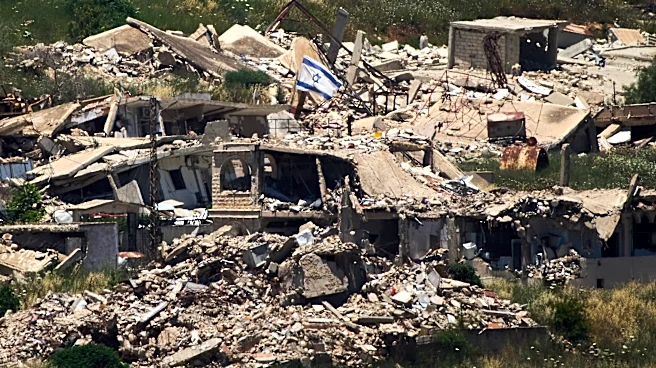
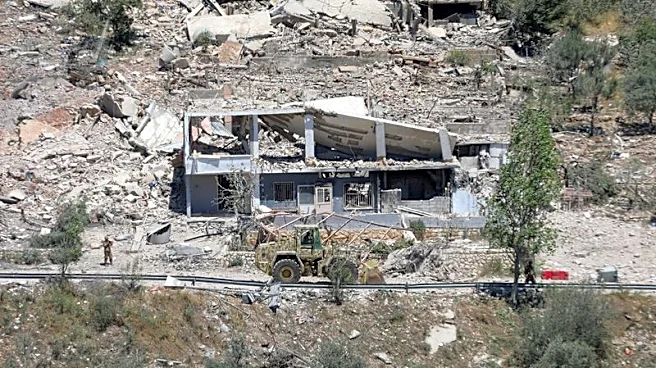
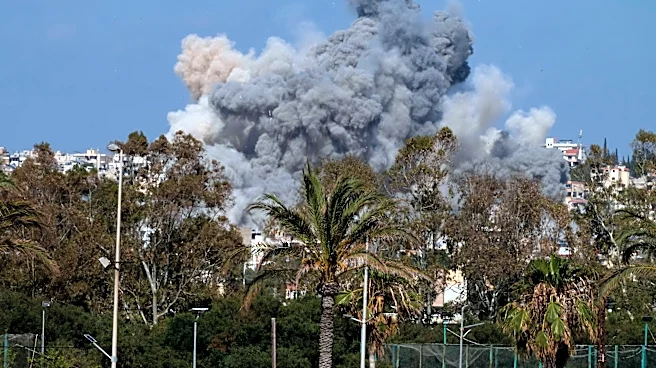
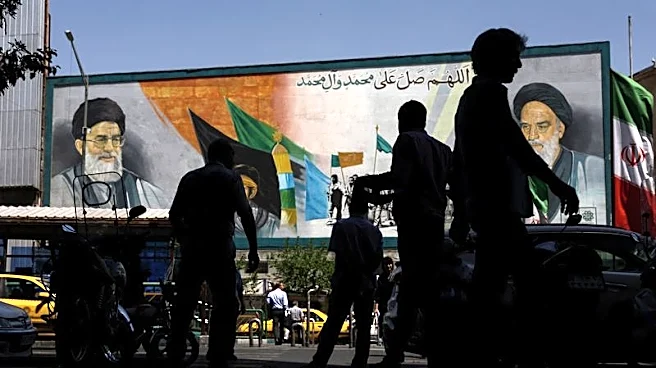
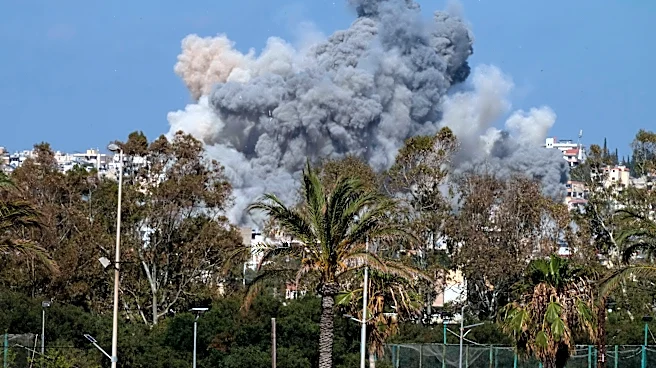
Iran has declared its support for Hezbollah and demanded that Israel withdraw from southern Lebanon, complicating U.S. efforts to broker a peace deal. The conflict, which began in March following U.S. and Israeli strikes against Iran, has led to increased
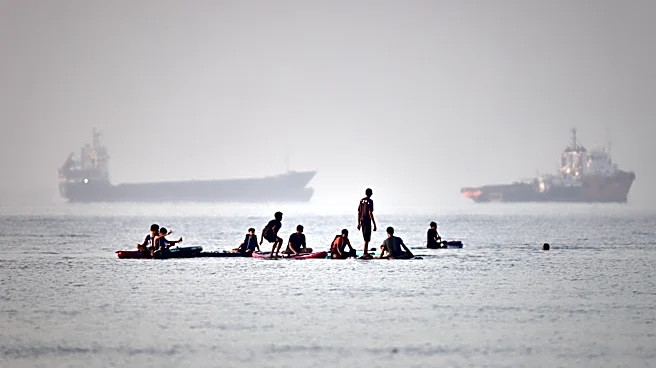
tensions in the region. Iran insists on a ceasefire between Israel and Hezbollah as a condition for any peace agreement with the U.S. The ongoing hostilities have disrupted oil supplies and raised global fuel prices, with the UN warning of potential food shortages due to rising transport costs.
Why It's Important?
Iran's support for Hezbollah and its demands for Israeli withdrawal highlight the complexities of achieving peace in the region. The conflict has significant economic implications, particularly for global oil markets, as disruptions in the Strait of Hormuz affect supply chains. The situation also poses a challenge for U.S. foreign policy, as it seeks to balance regional stability with its strategic interests. The potential for further escalation could have widespread consequences, affecting international relations and economic conditions.
What's Next?
Negotiations between the U.S. and Iran are likely to continue, with both sides seeking a resolution that addresses their respective concerns. However, the path to peace remains uncertain, as Iran's demands and Hezbollah's actions complicate the process. The international community may increase diplomatic efforts to prevent further escalation, while regional actors could play a crucial role in mediating a settlement.