





What's Happening?
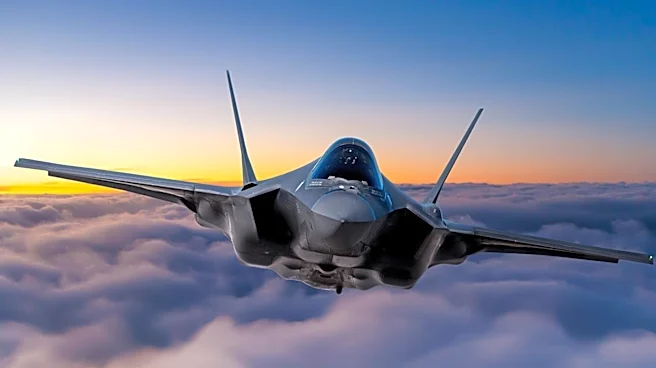
Sensitive F-35 stealth fighter components, specifically a cockpit canopy and a weapons-bay door coated in radar-absorbing material, were reportedly obtained by China due to an error by a United Parcel Service (UPS) employee. According to Bloomberg, citing
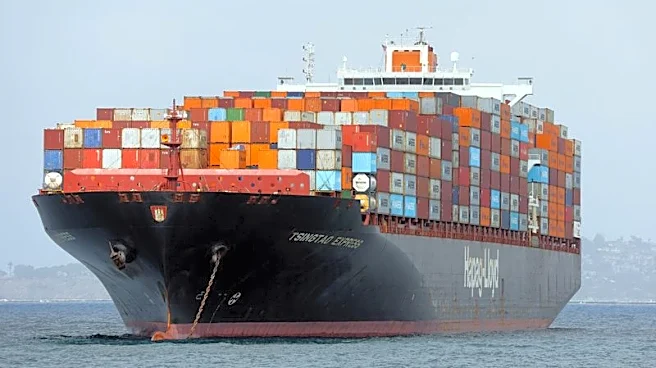
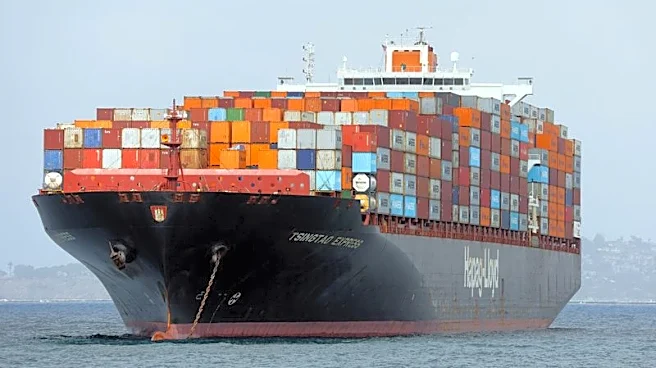
a person briefed on the incident, a UPS employee missed an email warning against routing the shipment through Hong Kong. The email, sent by freight forwarder DSV on behalf of F-35 developer Lockheed Martin, specified that these parts could not transit certain countries under U.S. arms export regulations. The shipment originated from an Australian military F-35 and was intended for San Francisco via South Korea and Taiwan for potential repair or disposal in late May. However, due to a late departure from Australia, it was mistakenly rerouted through Hong Kong to expedite delivery. Pentagon officials briefed staff from the House Foreign Affairs and Armed Services committees on September 29, with Erica Plath, deputy assistant secretary of defense for logistics, stating that measures are being taken to prevent similar incidents.
Why It's Important?
This incident has triggered investigations by the Pentagon and State Department and has raised significant concerns among U.S. lawmakers. China has a history of targeting the F-35 program, the most expensive U.S. weapons program, through espionage efforts. The acquisition of these parts by China is considered a substantial intelligence gain, as it could allow them to reverse-engineer the stealth technology and develop countermeasures. Diana Maurer of the Government Accountability Office (GAO), who oversees F-35 support reviews, described the loss as 'a big deal,' suggesting China would likely attempt to analyze the components to understand and counter U.S. stealth capabilities. While the Pentagon has downplayed the value of the parts, calling them 'unserviceable,' the potential for intelligence exploitation remains a serious concern for U.S. national security and technological superiority in defense.
What's Next?
The Pentagon and State Department are actively investigating the incident, working with U.S. authorities and industry partners to retrieve the components and implement safeguards to prevent future occurrences. Lawmakers, including Senator Mark Warner, Senator Tom Cotton, and Senator Kevin Cramer, have expressed alarm, with calls for a supply chain review and inquiries into potential Chinese interception plans. The incident is likely to lead to stricter protocols and enhanced communication requirements for the shipment of sensitive defense materials, particularly those involving international transit. UPS may face increased scrutiny regarding its handling of classified or sensitive cargo, potentially leading to revised internal procedures and training for its employees involved in international logistics for defense contractors. The long-term implications could include a re-evaluation of logistics partners and routes for military hardware shipments.
Beyond the Headlines
This event highlights critical vulnerabilities in the supply chain security of advanced military technology, even when handled by established commercial logistics providers. The reliance on email communication and potential IT system discrepancies between freight forwarders and carriers exposed a significant gap that adversaries could exploit. Beyond the immediate loss of parts, the incident underscores the ongoing technological competition between the U.S. and China, where every piece of advanced military hardware holds intelligence value. It also raises questions about the oversight mechanisms for defense contractors and their logistics partners in ensuring compliance with stringent export control regulations. The incident could prompt a broader re-evaluation of how sensitive U.S. defense technology is transported globally, potentially leading to more direct military oversight or specialized secure logistics channels for such shipments.