







What's Happening?
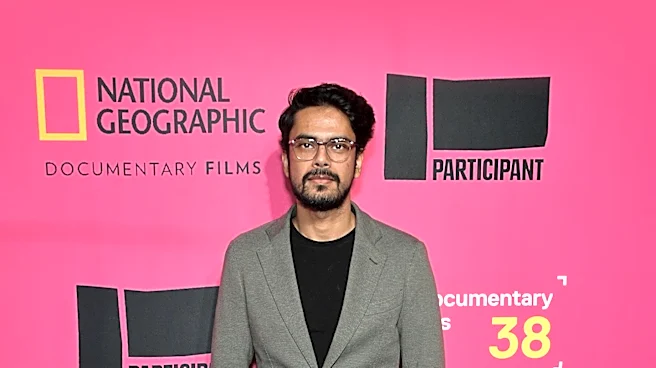
The documentary 'NAZA,' by Israeli filmmakers Yuval Abraham and Rachel Szor, has garnered significant international box-office success, attracting over 1.5 million viewers across 47 countries in less than two months. The film has achieved particular commercial
success in Italy, France, and Germany. In Italy, it became the third most popular documentary of all time in cinemas, following 'Fahrenheit 9/11' and 'March of the Penguins.' 'NAZA' examines the Israeli military's target selection and attack procedures in Gaza, focusing on the use of artificial intelligence and automated surveillance systems. It features interviews with 24 Israeli military intelligence officers, soldiers, and informants who describe military operations, including instances where the presence of civilians was known. The identities of the participants are protected through digital alteration of their faces and voices. The film premiered at the Venice Film Festival, where it received the Special Jury Prize, and has provoked strong reactions in Israel, including threats to revoke the filmmakers' citizenship.
Why It's Important?
'NAZA's' international success highlights a growing global interest in documentaries that critically examine military practices and the ethical implications of emerging technologies in modern conflicts. For the U.S., this film contributes to the ongoing public discourse surrounding military ethics, the use of AI in warfare, and the protection of civilian lives in conflict zones. The film's focus on Israeli military procedures, a key U.S. ally, could influence public opinion and policy debates regarding military aid and international relations. The strong reactions in Israel, including threats against the filmmakers, underscore the sensitive nature of such topics and the challenges faced by those who seek to expose controversial military operations. The film's reach suggests a global audience is increasingly seeking in-depth, critical perspectives on geopolitical events, potentially impacting how future conflicts are perceived and discussed in the U.S. media and political landscape.
What's Next?
The continued international screenings and discussions surrounding 'NAZA' are likely to amplify calls for greater transparency and accountability in military operations, particularly concerning the use of advanced technologies like AI. The film's success could encourage more investigative journalism and documentary filmmaking on similar sensitive topics, potentially leading to increased scrutiny of military actions globally. In the U.S., the film may fuel debates among policymakers and advocacy groups regarding the ethical frameworks for AI in warfare and the standards for civilian protection in conflicts where U.S. allies are involved. The controversy surrounding the filmmakers in Israel could also raise questions about freedom of expression and the role of media in holding powerful institutions accountable. The film's impact may extend to academic and research circles, prompting further studies on the intersection of technology, ethics, and warfare.
Beyond the Headlines
Beyond its immediate impact, 'NAZA' delves into profound ethical and legal questions surrounding modern warfare. The documentary's exploration of AI and automated surveillance in target selection raises critical concerns about the dehumanization of conflict and the potential for algorithmic bias in life-or-death decisions. The interviews with military personnel, who describe operations where civilian presence was known, highlight the complex moral dilemmas faced by individuals within military structures and the broader issue of civilian casualties. This film contributes to a global conversation about international humanitarian law and the evolving nature of accountability in an age of advanced military technology. It challenges audiences to consider the long-term societal implications of delegating critical decisions to algorithms and the psychological impact on those involved in such operations.