





What's Happening?
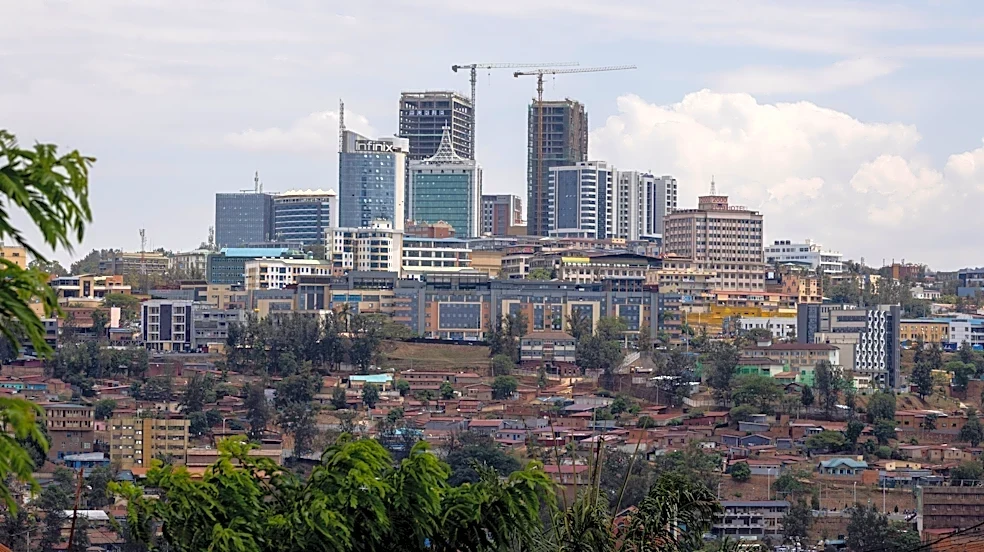
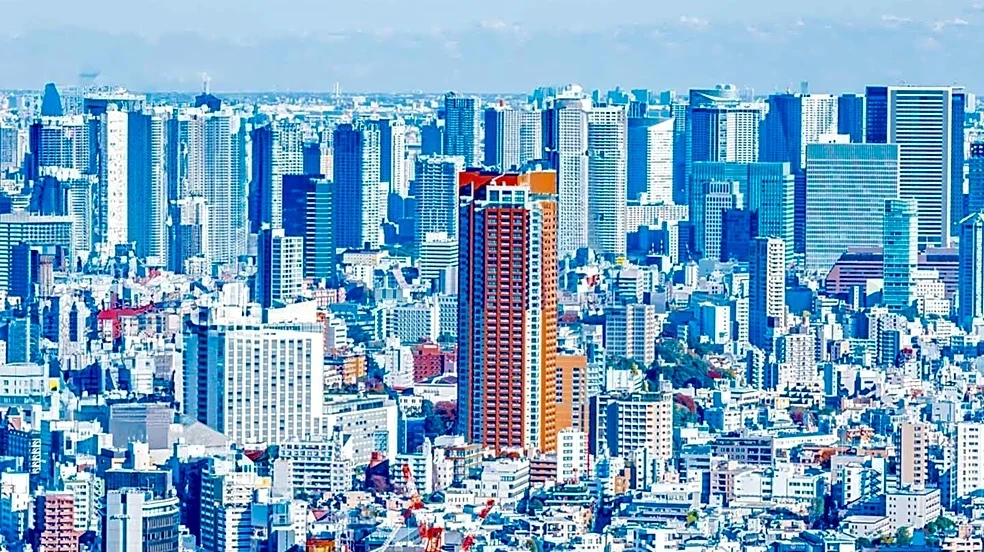
Urban areas are characterized as cities or large towns with a high concentration of people, numerous buildings, and busy streets. These environments typically feature tall buildings, extensive networks of roads, sidewalks, and public transportation systems
like subways and buses. In contrast, rural areas are defined by open land, fewer people, and homes that are more spread out, often including farms and forests. The distinction between urban and rural is crucial in geography, particularly in human geography, which studies how people live on Earth and utilize land and resources. Understanding these differences involves examining population density, types of employment, transportation infrastructure, and access to essential services such as schools and hospitals. Urban planning is a field dedicated to managing changes within both the built and natural environments of these densely populated areas, focusing on sustainable development and architectural growth. This includes addressing land use concepts, population density, and annexation issues, as well as implementing best practices for economic development, historic preservation, and transit-oriented development.
Why It's Important?
The clear definition and understanding of urban areas are vital for effective policy-making, resource allocation, and sustainable development in the U.S. High population density in urban centers creates unique challenges and opportunities related to infrastructure, housing, and environmental impact. For industries, urban areas represent major markets and hubs for innovation, requiring specialized planning for commercial and residential development. The continuous growth of urban populations necessitates robust urban planning to ensure livability, efficient transportation, and access to services. Without proper planning, urban sprawl can lead to increased traffic congestion, strain on public resources, and environmental degradation. Conversely, well-managed urban development can foster economic growth, create jobs, and improve the quality of life for residents by providing diverse opportunities and amenities. The focus on sustainable urban planning and architectural development is critical for mitigating climate change impacts and promoting resilient communities, directly affecting public health, economic stability, and social equity across the nation.
What's Next?
Future developments in urban areas will likely focus on integrating advanced planning strategies to address ongoing challenges such as climate change adaptation and decarbonization. This includes the continued implementation of sustainable urban planning principles, emphasizing green infrastructure, efficient public transit, and mixed-use developments to reduce carbon footprints and enhance urban resilience. There will be an increased demand for professionals in urban planning, public administration, and related fields to manage complex projects, conduct research, and formulate recommendations for urban growth. Efforts will also concentrate on developing comprehensive master plans and maps that accurately reflect land use and population dynamics, ensuring that urban expansion is both organized and beneficial. Stakeholders, including local governments, developers, and community groups, will need to collaborate more closely to balance economic development with environmental protection and social equity. The ongoing evolution of urban areas will also involve leveraging technology and data analytics to inform planning decisions, optimize resource use, and create smarter, more sustainable cities.
Beyond the Headlines
The distinction between urban and rural areas extends beyond mere geographical classification, touching upon profound societal and cultural implications. The rapid urbanization trend in the U.S. has led to significant demographic shifts, influencing political landscapes, social structures, and cultural identities. Urban centers often become melting pots of diverse cultures and ideas, fostering innovation and social progress, but also presenting challenges related to social inequality, gentrification, and the preservation of local heritage. The ethical dimension of urban planning involves ensuring equitable access to resources and opportunities for all residents, regardless of socioeconomic status. Legal frameworks governing land use, zoning, and environmental protection are constantly evolving to keep pace with urban development, often leading to complex legal battles over property rights and community interests. Culturally, urban environments shape lifestyles, consumption patterns, and community engagement, influencing everything from local cuisine to artistic expression. The long-term shift towards increasingly urbanized societies will necessitate a re-evaluation of traditional community models and a greater emphasis on inclusive, resilient, and culturally vibrant urban spaces.