







What's Happening?
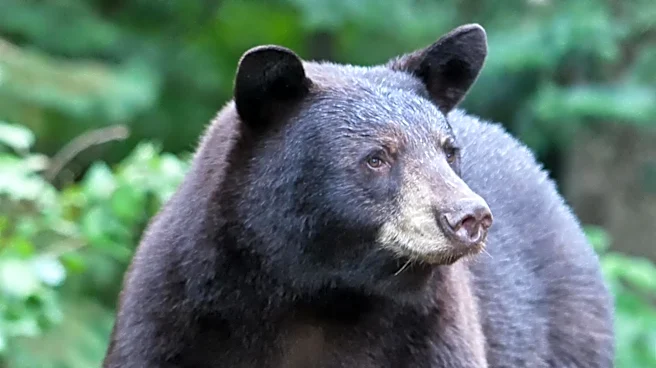
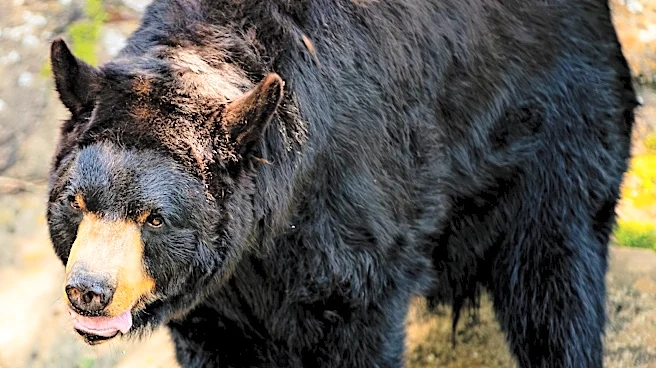
A woman in Asheville, North Carolina, sustained non-life-threatening injuries after a female black bear entered her home on Tuesday night. The N.C. Wildlife Resources Commission reported that the bear, which appeared accustomed to humans and conditioned
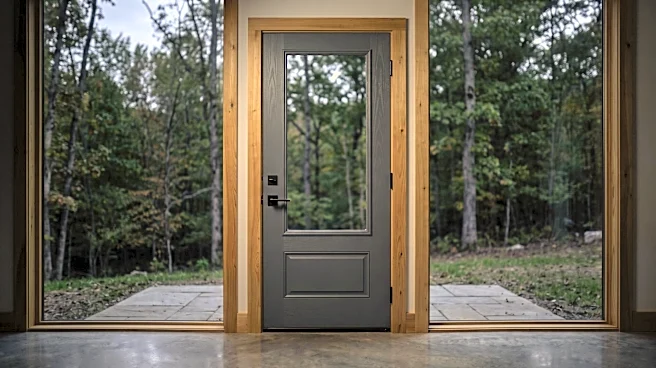
to seek food, entered through an unlocked door. Witnesses indicated the bear had a history of accessing pet food inside the home and unsecured trash outside. Following the incident, the woman was treated at a hospital and subsequently released. Due to public safety concerns and the bear's habituation to human food sources, wildlife officials are attempting to capture and humanely euthanize the adult bear. Efforts are also underway to capture the bear's cubs to determine if they can be relocated to an undeveloped area, as relocating adult bears is not considered an effective solution for changing learned behaviors.
Why It's Important?
This incident highlights the increasing challenges of human-wildlife coexistence, particularly in areas where urban development encroaches on natural habitats. The bear's habituation to human food sources underscores the critical need for residents to adhere to BearWise recommendations, such as securing trash and pet food, removing bird feeders when bears are active, and keeping doors and windows closed and locked. Failure to implement these measures can lead to bears associating human dwellings with readily available food, increasing the likelihood of dangerous encounters. The decision to euthanize the bear, while unfortunate, reflects a necessary step to mitigate public safety risks posed by animals that have lost their natural fear of humans and become dependent on anthropogenic food sources. This situation serves as a stark reminder of the responsibilities individuals have in preventing such conflicts and protecting both human communities and wildlife.
What's Next?
Wildlife officials will continue their efforts to capture the adult bear for humane euthanasia and its cubs for assessment and potential relocation. The N.C. Wildlife Resources Commission is intensifying its public awareness campaign, urging Asheville residents to strictly follow BearWise guidelines, especially as fall approaches and bears increase their food intake in preparation for winter. This includes securing all potential food attractants around homes. Residents are encouraged to report bear activity or seek wildlife assistance by contacting the N.C. Wildlife Helpline. The incident may prompt local authorities to consider stricter enforcement of wildlife feeding ordinances or enhanced educational programs to prevent future human-bear conflicts and ensure community safety.
Beyond the Headlines
The incident in Asheville reflects a broader ecological and societal issue concerning the management of wildlife populations in proximity to human settlements. The concept of 'problem bears' often arises from human behaviors that inadvertently encourage bears to frequent residential areas. This situation raises ethical questions about human responsibility in altering wildlife behavior and the subsequent consequences for the animals. The long-term implications include potential shifts in bear populations' foraging habits, increased human-wildlife conflict, and the need for sustainable urban planning that considers wildlife corridors and habitat preservation. It also highlights the importance of community engagement and education in fostering a harmonious coexistence with local wildlife, emphasizing prevention over reactive measures.