






What's Happening?
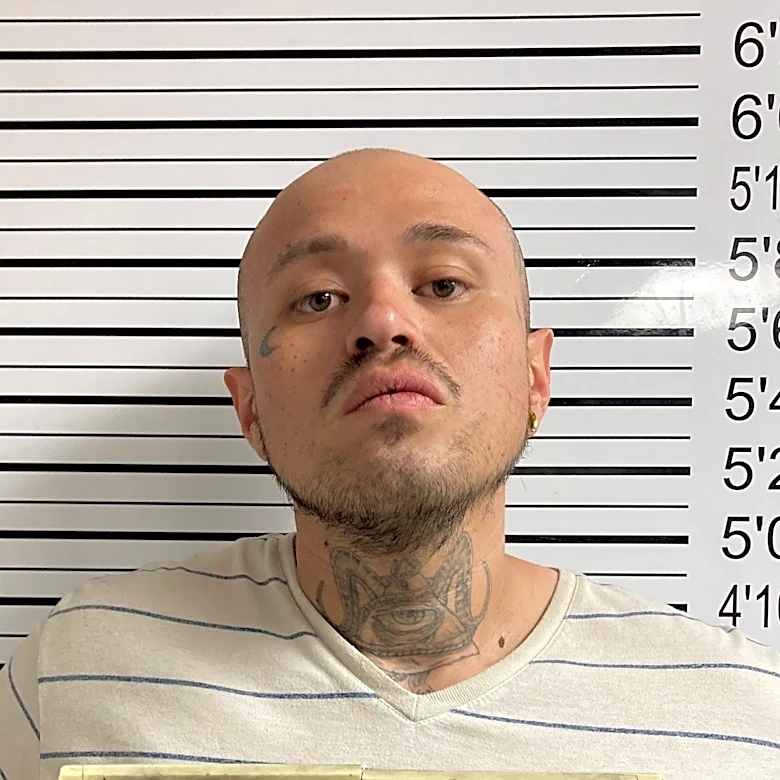
Local bus drivers in Yonkers are demanding upgraded charges and increased bail for Thywill Anasu, a 29-year-old Manhattan resident, who is accused of assaulting MTA bus driver Johnny Rodriguez. In April, Anasu allegedly choked Rodriguez and slammed him
to the ground after a crash in Yonkers, leading to Rodriguez's hospitalization for over a week. Despite these serious allegations, Anasu remained free following a recent court appearance. Union officials from TWU Local 100, including President John Chiarello, expressed outrage, particularly because Anasu was reportedly arrested in the Bronx in August for stealing air-conditioning units from a fire scene and injuring an FDNY fire marshal while out on bail for the initial assault. Anasu faces multiple charges in the Bronx case, including assault, burglary, grand larceny, and reckless endangerment. Both the Westchester and Bronx District Attorney's Offices reportedly requested higher bail, but judges in both instances denied these requests, allowing Anasu to remain free. Anasu has pleaded not guilty to two counts of assault, and his family disputes the allegations.
Why It's Important?
This situation highlights significant concerns regarding public safety and the justice system's handling of repeat offenders, particularly those accused of violence against public service workers. The outrage expressed by transit workers underscores a broader sentiment about the perceived lack of protection for essential employees who are vulnerable to assaults while on duty. The fact that an individual accused of a violent crime against a bus driver was allegedly able to commit another felony while out on bail raises questions about the effectiveness of current bail policies and judicial discretion in ensuring public safety. For MTA employees and other transit workers, this incident could foster a climate of fear and insecurity, potentially impacting morale and recruitment. It also brings to the forefront the ongoing debate about bail reform and its implications for victims and communities, as union leaders are calling for more stringent measures to prevent such incidents and ensure accountability for those who commit them.
What's Next?
Thywill Anasu is scheduled to return to court on November 18. This upcoming court date will be a critical juncture for the case, as transit workers and union officials will likely continue to advocate for upgraded charges and a reevaluation of Anasu's bail status. The ongoing legal proceedings will determine the immediate consequences for Anasu and could influence future judicial decisions regarding similar cases. Public and union pressure may prompt a closer examination of the judicial processes that allowed Anasu to remain free after the initial alleged assault and subsequent arrest. Depending on the outcome, there could be renewed calls for legislative changes to bail laws or increased protections for public transit employees. The case will also continue to be a focal point for discussions on the balance between defendants' rights and public safety concerns within the justice system.
Beyond the Headlines
The incident transcends a single legal case, touching upon deeper societal issues concerning the safety of public sector employees and the efficacy of the criminal justice system. The repeated alleged offenses by the accused, particularly while out on bail, could erode public trust in the justice system's ability to protect its citizens and hold individuals accountable. This situation may also fuel broader discussions about the challenges faced by essential workers, who often encounter difficult and sometimes dangerous situations as part of their jobs. The emotional response from the transit union, with calls to 'watch your back,' suggests a growing sense of vulnerability among these workers. This could lead to increased advocacy for stronger legal protections, better support systems for victims of on-the-job assaults, and potentially a re-evaluation of how society values and safeguards those who provide critical public services. The case could become a touchstone in the ongoing national conversation about criminal justice reform and its real-world impacts.