







What's Happening?
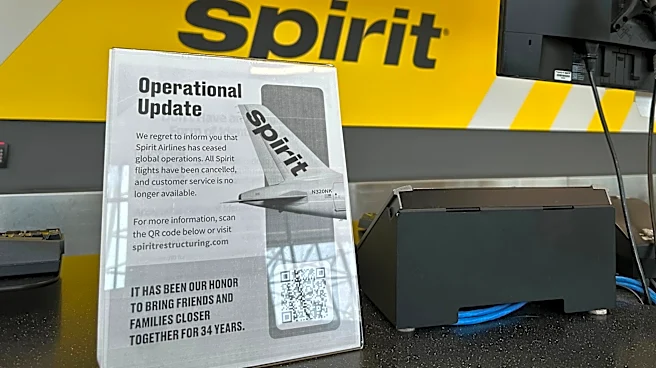
U.S. Transportation Secretary Sean P. Duffy has announced a series of measures to assist passengers and employees affected by the sudden cessation of operations by Spirit Airlines. The Department of Transportation, in collaboration with major U.S. carriers,
has implemented actions to ensure that Spirit ticketholders are not left stranded and that employees have access to new job opportunities. Airlines such as United, Delta, JetBlue, and Southwest are capping ticket prices for Spirit customers needing to rebook flights, with specific time frames for these offers. Additionally, American Airlines and Delta are offering reduced fares on high-volume Spirit routes, while Allegiant has committed to freezing fare prices on overlapping routes. Frontier is providing up to 50% off base fares across its network until May 10th. For former Spirit employees, major carriers are offering travel pass benefits and preferential employment interviews to facilitate their transition to new roles.
Why It's Important?
The abrupt halt of Spirit Airlines' operations has significant implications for the U.S. aviation industry and its consumers. The coordinated response by the Department of Transportation and major airlines aims to mitigate the disruption for travelers and employees. By capping ticket prices and offering reduced fares, the initiative seeks to prevent fare hikes and ensure continued access to air travel for affected passengers. The support for Spirit employees highlights the industry's commitment to workforce stability amid the airline's closure. This situation underscores the broader challenges in the aviation sector, particularly in maintaining competitive pricing and employment stability, following regulatory decisions such as the blocked merger between Spirit and JetBlue in 2024.
What's Next?
In the coming weeks, affected Spirit passengers will need to navigate the process of securing refunds or rebooking flights through the available offers. Former Spirit employees will likely engage with the employment opportunities provided by other airlines, potentially reshaping the workforce dynamics within the industry. The situation may prompt further discussions on regulatory policies affecting airline mergers and the balance between competition and consumer protection. Stakeholders, including policymakers and industry leaders, may need to reassess strategies to prevent similar disruptions in the future.