



What's Happening?
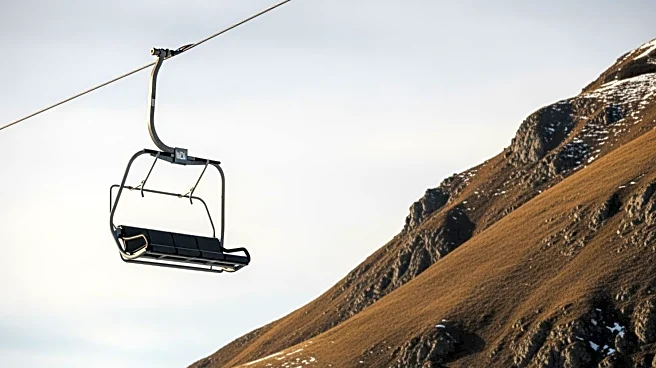
Businesses in Colorado's high country, particularly ski resorts and local bars, are experiencing economic strain due to unseasonably warm weather and insufficient snowfall. The lack of snow is impacting the winter sports industry, which is a significant
economic driver in the region. Ski resorts rely heavily on consistent snowfall to attract tourists and maintain operations. The current weather conditions are causing concern among business owners who depend on the winter season for a substantial portion of their annual revenue.
Why It's Important?
The economic impact of insufficient snowfall extends beyond ski resorts to the broader local economy, affecting employment and revenue for various businesses. The winter sports industry is a major contributor to Colorado's economy, supporting jobs and generating significant tourism revenue. A prolonged lack of snow could lead to financial losses for businesses and potentially affect the livelihoods of those employed in the industry. Additionally, the situation highlights the vulnerability of weather-dependent industries to climate variability, raising concerns about long-term sustainability and the need for adaptive strategies.
What's Next?
If the current weather pattern persists, ski resorts may need to consider alternative measures such as artificial snowmaking to sustain operations. However, this solution can be costly and may not fully compensate for natural snowfall. Business owners and local authorities might also explore diversifying tourism offerings to mitigate the impact of unpredictable weather patterns. The situation could prompt discussions on climate adaptation strategies to support the resilience of the winter sports industry in the face of changing environmental conditions.