








What's Happening?
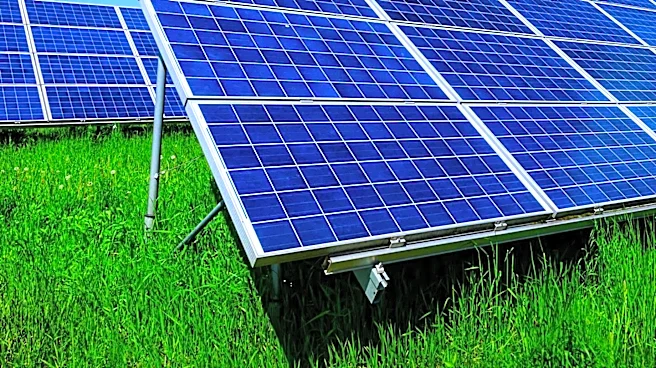
Egypt has announced a major solar energy project, marking a significant step towards energy independence. The project, celebrated at the Africa Energy Forum, involves constructing a large solar complex in Minya Governorate, expected to power one million
households and reduce carbon emissions. However, despite these advancements, Egypt's energy grid stability remains heavily reliant on Israeli natural gas. This dependency is underscored by recent energy shortages and the need for emergency fuel imports. The solar project is part of a broader strategy to develop ten gigawatts of clean energy across Africa over the next decade.
Why It's Important?
The reliance on Israeli gas highlights the complexities of Egypt's energy strategy, which combines renewable energy ambitions with traditional fossil fuel dependencies. This situation underscores the geopolitical and economic ties between Egypt and Israel, with significant implications for regional energy security. For Egypt, achieving true energy independence remains a challenge, as the country must balance its renewable energy goals with the practical need for reliable energy sources. The situation also presents opportunities for international investors and policymakers to support sustainable energy development in the region.
Beyond the Headlines
The Egyptian government's portrayal of energy independence contrasts with the reality of its energy infrastructure, which still heavily depends on Israeli gas. This dependency raises questions about the sustainability of Egypt's energy policies and the potential for future geopolitical tensions. The situation also highlights the importance of regional cooperation in achieving energy security and the role of international financial institutions in supporting infrastructure development. As Egypt continues to pursue renewable energy projects, the balance between public relations and practical energy needs will remain a critical issue.