
What's Happening?
A temporary truce between Russia and Ukraine, intended to coincide with Orthodox Easter, quickly fell apart as both sides accused each other of violating the ceasefire. The truce, which was supposed to last
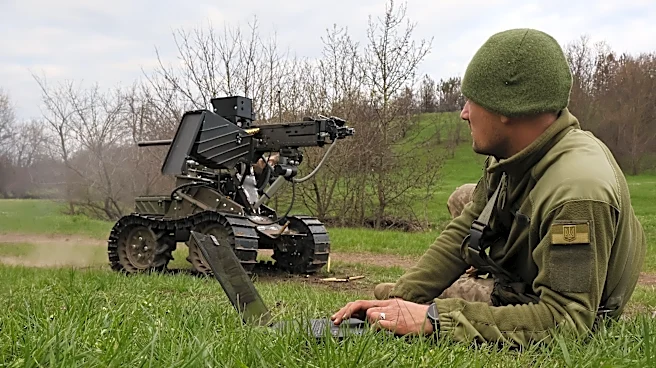
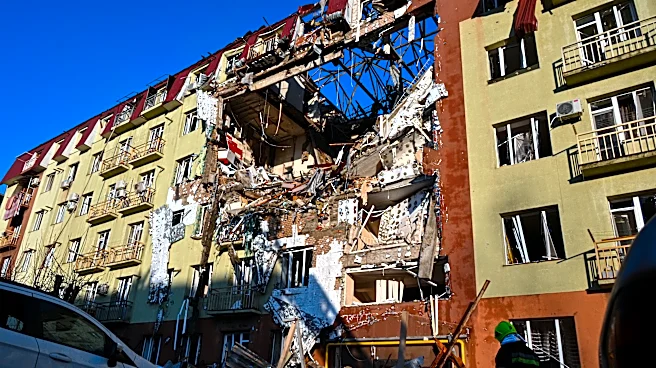
32 hours, was marred by reports of attacks and violations. Russia accused Ukraine of striking a gas station in the Kursk region, injuring civilians, while Ukraine reported over 400 violations by Russian forces, including drone and artillery attacks. Despite the tensions, both countries managed to exchange 175 prisoners of war each, a move that was seen as a potential step towards peace.
Why It's Important?
The failure of the ceasefire highlights the deep-seated mistrust and ongoing hostilities between Russia and Ukraine. The inability to maintain even a temporary truce during a significant religious holiday underscores the challenges in achieving a lasting resolution to the conflict. The situation has broader implications for international diplomacy and security, as it involves major global powers and affects regional stability. The continued violence also poses humanitarian challenges, with civilian populations caught in the crossfire.
What's Next?
The collapse of the truce suggests that further diplomatic efforts will be necessary to address the underlying issues driving the conflict. International mediators may need to play a more active role in facilitating dialogue between the two nations. The situation also calls for increased humanitarian support to assist those affected by the ongoing violence. Observers will be monitoring any developments in military strategies or diplomatic engagements that could influence the trajectory of the conflict.