




What's Happening?
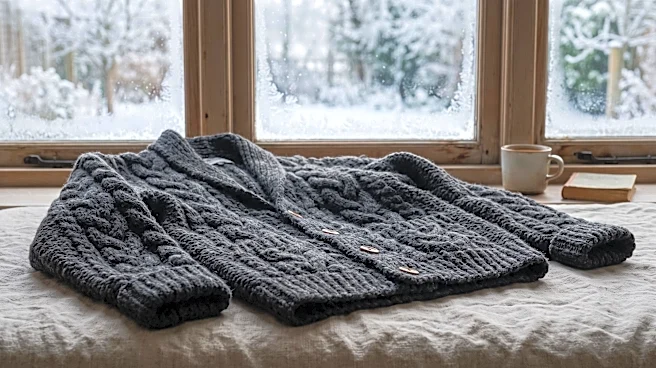
As winter approaches, health experts are emphasizing the importance of proactive measures to maintain well-being during colder months. Recommendations include dressing in multiple layers, wearing warm accessories like hats and gloves, and ensuring homes
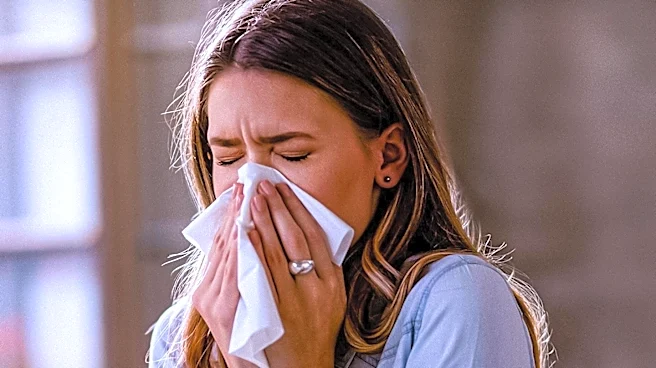
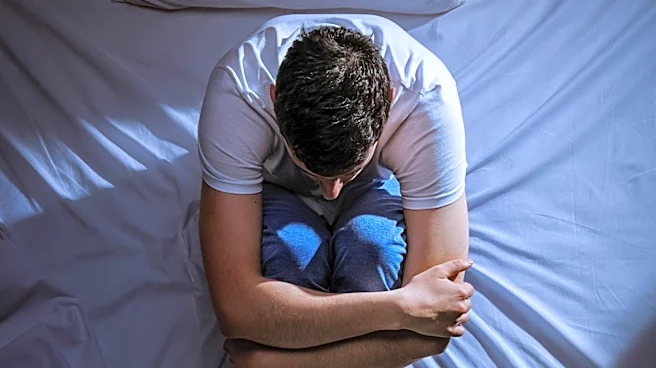
are adequately heated to at least 18°C. Physical activity, even indoors, is crucial for circulation and joint mobility, with suggestions for walking, stretching, and chair-based exercises. Nutrition and hydration are also highlighted, advising regular, balanced meals, warm soups, and hot drinks to provide energy and comfort. For mental health, employers are encouraged to adjust schedules and offer screenings, while individuals are reminded to stay updated on vaccinations and check on vulnerable friends and family. These guidelines aim to mitigate the health impacts of cold weather, which can exacerbate conditions like heart disease, respiratory issues, and musculoskeletal pain, and contribute to mental health challenges like Seasonal Affective Disorder (SAD). The advice also debunks myths about catching colds from wet hair or being outside in cold weather, clarifying that viruses spread through epithelial cells, not pores.
Why It's Important?
These guidelines are crucial for public health as cold weather significantly impacts various physiological systems, particularly for vulnerable populations such as the elderly, young children, and individuals with chronic medical conditions. The narrowing of blood vessels (vasoconstriction) in cold temperatures increases blood pressure and cardiac workload, elevating risks of heart attacks and strokes. Respiratory systems are also vulnerable, with cold, dry air irritating airways and worsening conditions like asthma and COPD. Increased indoor time facilitates the spread of infections like influenza, COVID-19, and RSV. Furthermore, reduced physical activity and lower temperatures can exacerbate joint stiffness and muscle aches. The advice on maintaining mental well-being addresses the impact of shorter days and reduced social contact, which can lead to low mood and SAD. By following these recommendations, individuals can reduce their susceptibility to these health risks, lessen the burden on healthcare systems, and improve overall quality of life during winter.
What's Next?
As winter progresses, public health campaigns will likely continue to disseminate these recommendations through various channels, including local health departments, community centers, and media outlets. Individuals are expected to integrate these practices into their daily routines, such as regular vaccination updates and home preparedness. Healthcare providers will continue to monitor seasonal illness trends and advise patients on specific precautions, especially those with pre-existing conditions. Employers may implement wellness programs focusing on winter health, including flexible work arrangements and mental health support. Community efforts will likely increase to support vulnerable populations, ensuring they have access to warm housing, nutritious food, and social connections. The ongoing emphasis will be on proactive prevention and community-wide vigilance to minimize winter-related health complications.
Beyond the Headlines
Beyond the immediate health benefits, these guidelines underscore broader societal implications related to public health infrastructure and community resilience. The emphasis on checking on vulnerable individuals highlights the importance of social cohesion and mutual support networks, particularly in mitigating the effects of isolation and financial strain related to heating costs. The advice also implicitly calls for better housing standards and energy assistance programs to ensure all citizens can maintain safe indoor temperatures. Furthermore, the debunking of common myths about cold-weather illness points to the ongoing need for evidence-based public health communication to counter misinformation. This comprehensive approach to winter wellness reflects a holistic understanding of health, encompassing physical, mental, and social determinants, and suggests a need for integrated policy solutions that address both individual behaviors and systemic factors.