
What's Happening?
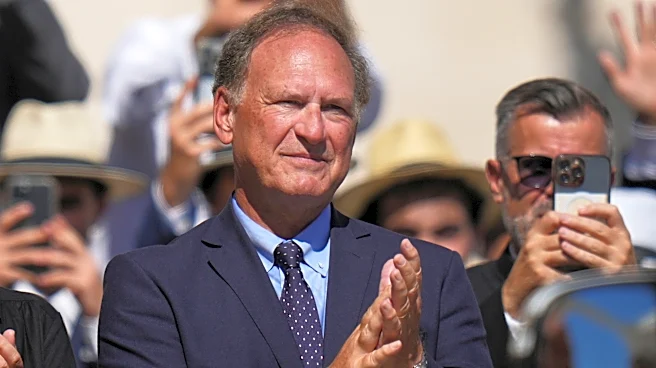
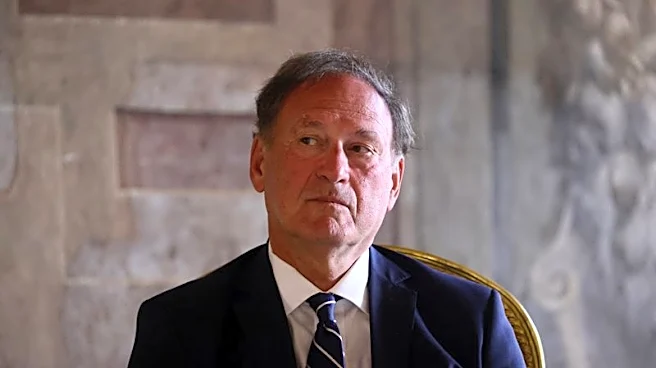
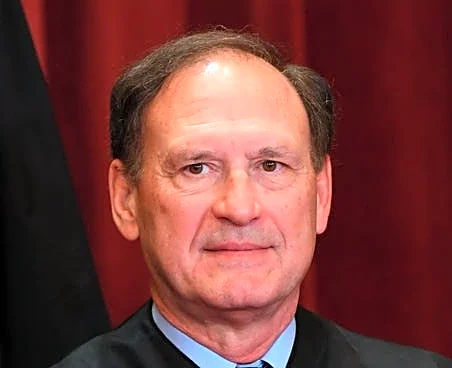
Supreme Court Justice Samuel Alito has reversed his earlier decision and announced his recusal from a significant climate crisis-related case involving fossil fuel companies, specifically ExxonMobil and Suncor
Energy. The case centers on a Colorado-based lawsuit seeking to hold these companies financially liable for the impacts of the climate crisis, with the companies arguing federal law supersedes state statutes. Initially, Justice Alito stated he would not recuse himself, claiming no direct financial interest in ExxonMobil or Suncor Energy. However, he holds stocks in other fossil fuel-based companies, which could still benefit from the case's outcome. The Clerk of Court, Scott Harris, informed attorneys of Alito's decision, though no specific explanation for the change of heart was provided. This recusal follows pressure from progressive watchdog groups who submitted evidence to Congress suggesting potential influence due to his investments.
Why It's Important?
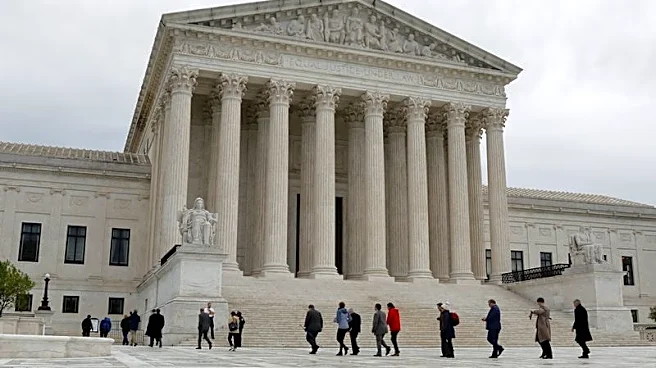
Justice Alito's recusal from this high-profile fossil fuel case is important as it addresses concerns about judicial impartiality and potential conflicts of interest within the Supreme Court. The initial refusal to recuse, despite holding investments in the broader fossil fuel industry, raised questions about adherence to the Supreme Court’s Code of Conduct, which advises justices to step aside when they have a financial interest in the subject matter or an interest that could be substantially affected by the outcome. This decision helps to mitigate public skepticism regarding whether a justice's personal investments could influence rulings that impact major industries. The case itself is significant for the U.S. energy sector and environmental policy, as it could set precedents for corporate liability in climate change-related damages, potentially affecting the financial obligations and operational frameworks of fossil fuel companies nationwide. The recusal also highlights ongoing debates about the ethical guidelines for Supreme Court justices' financial holdings.
What's Next?
With Justice Alito's recusal, the Supreme Court will proceed with the case involving ExxonMobil and Suncor Energy without his participation. This decision may alleviate some of the public and watchdog group pressure regarding the court's impartiality in this specific matter. However, the broader discussion about the financial interests of Supreme Court justices and the need for stricter regulations on their stock investments is likely to continue. Legal experts and advocacy groups may intensify calls for limits on the types of stocks justices are permitted to hold, especially in industries frequently involved in Supreme Court litigation. The outcome of the Colorado-based lawsuit against ExxonMobil and Suncor Energy will be closely watched, as it could establish significant legal precedents for climate change liability, potentially influencing similar lawsuits across other U.S. states and impacting the financial landscape for fossil fuel companies.
Beyond the Headlines
Justice Alito's recusal, particularly after an initial refusal, underscores a deeper ethical and transparency challenge facing the U.S. judiciary. The incident brings to the forefront the ongoing debate about the financial ethics of Supreme Court justices and the perceived lack of stringent oversight compared to other branches of government. The public's trust in judicial impartiality is crucial for the legitimacy of the legal system, and instances where justices' personal investments align with industries appearing before the court can erode that trust. This situation also highlights the increasing scrutiny on the Supreme Court's conduct, especially given recent negative public opinion polls regarding the court's performance. The calls for limiting justices' stock investments reflect a growing demand for greater accountability and transparency to ensure that rulings are perceived as being based solely on legal merit rather than potential personal financial gain.