





What's Happening?
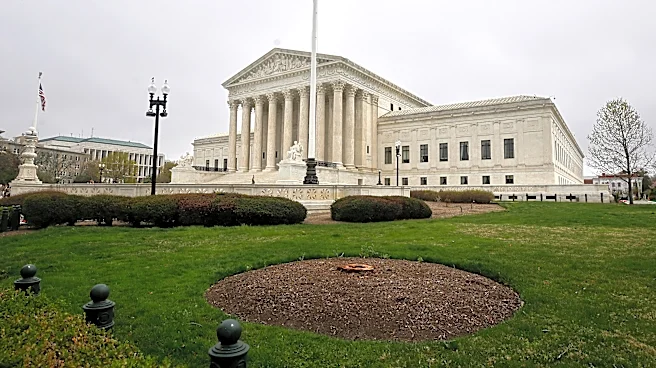
The Office of the United States Trade Representative (USTR) held hearings in Washington to investigate alleged unfair trade practices related to forced labor by 60 U.S. trading partners. This investigation, under Section 301 of the Trade Act of 1974,
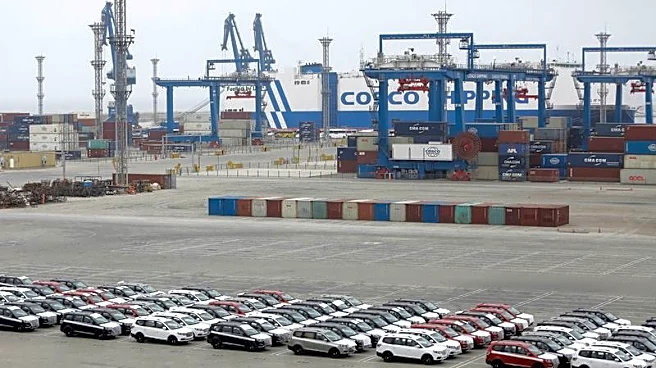
could lead to new tariffs on countries failing to enforce bans on goods produced with forced labor. The hearings included testimony from supply chain stakeholders and human rights advocates, focusing on the impact of forced labor on global supply chains. China, along with several other countries, is under scrutiny for not effectively preventing forced labor, which is seen as giving them an unfair advantage over U.S. producers.
Why It's Important?
The investigation highlights the U.S. government's commitment to addressing human rights abuses in global trade. If tariffs are imposed, they could significantly impact international trade relations and the economies of the countries involved. For U.S. businesses, the enforcement of such measures could level the playing field by ensuring that foreign competitors adhere to similar labor standards. However, there is concern that new tariffs could also harm American businesses by increasing costs and disrupting supply chains. The outcome of this investigation could set a precedent for how the U.S. addresses labor rights in trade policy.
What's Next?
The USTR will continue to gather evidence and testimonies to determine the appropriate course of action. The hearings are part of a broader strategy to enforce labor standards in international trade. The potential imposition of tariffs will depend on the findings of the investigation and the U.S. government's assessment of the effectiveness of current measures by trading partners. Stakeholders, including businesses and human rights organizations, will likely continue to lobby for their interests as the investigation progresses.