







What's Happening?
Researchers at Kentucky State University (KSU), including Dr. Milon Chowdhury, assistant professor of biological and agricultural engineering, and graduate research assistant Rubel Reza, are developing new technologies to enhance efficiency and sustainability
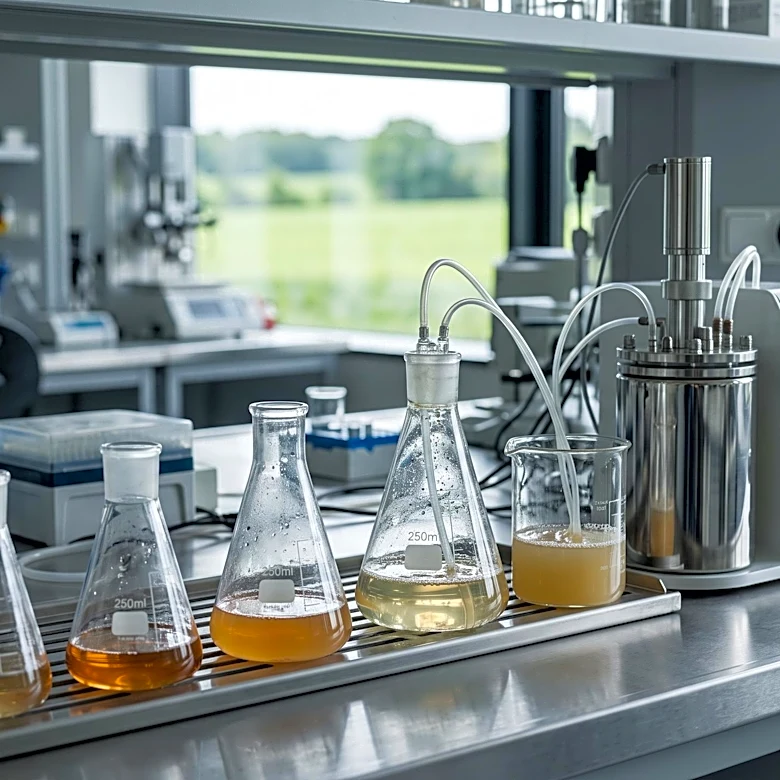
in controlled environment agriculture. Their recent studies, presented at national scientific conferences, focus on water conservation, nutrient management, and sustainable crop production. One study investigated the use of moisture sensors to precisely manage irrigation in hydroponic tomato production, aiming to reduce resource use while maintaining crop performance. Another project explored the impact of organic fertilizers, growing substrates, and light quality on microgreen production, with the goal of achieving high-quality yields and reducing reliance on synthetic agricultural inputs. Additionally, Reza presented research on recovering nutrients from organic waste through anaerobic digestion, which converts waste materials into liquid organic fertilizer, promoting nutrient recycling and reducing dependence on conventional fertilizers.
Why It's Important?
These advancements are crucial for the U.S. agricultural sector, particularly for indoor and greenhouse growers, as they offer practical solutions to improve sustainability and efficiency. By reducing water and nutrient waste, these technologies can lower operational costs for farmers and mitigate environmental impacts associated with conventional farming practices. The development of organic fertilizer alternatives from waste products addresses both waste management and the demand for sustainable nutrient sources, contributing to a more circular economy in agriculture. The focus on reducing synthetic input reliance aligns with growing consumer demand for organic and sustainably produced food, potentially opening new market opportunities for growers who adopt these methods. This research supports the long-term viability of agriculture by fostering resource-efficient and environmentally friendly practices.
What's Next?
The KSU researchers plan to continue building partnerships with industry professionals and other researchers to expand their work in automation, nutrient recovery, controlled environment agriculture, and sustainable food production. Dr. Chowdhury emphasized that these collaborations are vital for showcasing KSU's innovative research and creating educational opportunities. The practical technologies and management strategies being developed are intended to help resource-limited growers produce crops more efficiently while conserving water, nutrients, energy, and other resources. Future efforts will likely involve further testing and implementation of these technologies in commercial settings, as well as continued dissemination of findings at scientific conferences to encourage broader adoption within the agricultural community.
Beyond the Headlines
The research from Kentucky State University highlights a broader shift towards integrating advanced technology and ecological principles in agriculture. This move is not just about optimizing crop yields but also about addressing critical global challenges such as food security, water scarcity, and climate change. By focusing on precise resource management and waste valorization, KSU's work contributes to the development of resilient food systems that are less dependent on finite resources and environmentally harmful inputs. The emphasis on controlled environment agriculture also points to a future where food production can occur closer to urban centers, reducing transportation costs and carbon footprints. This holistic approach to farming could redefine agricultural practices, making them more sustainable and economically viable for future generations.