






What's Happening?
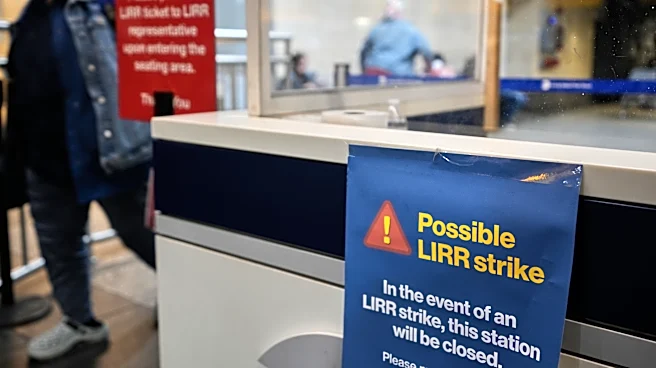
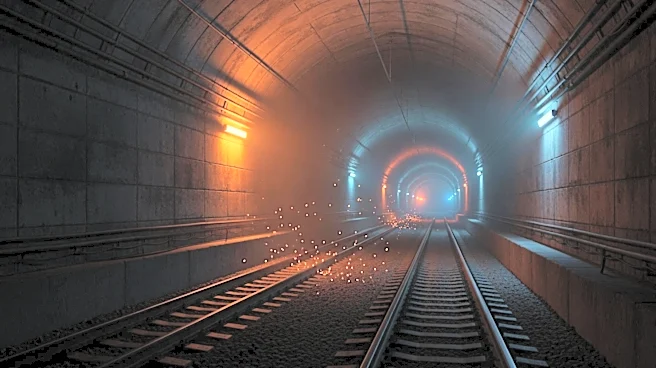
An electrical fire in the East River Tunnel has caused significant disruptions to the Long Island Rail Road (LIRR) service at New York City's Penn Station. The fire, which occurred on the tracks, prompted a response from over 80 fire and EMS personnel.
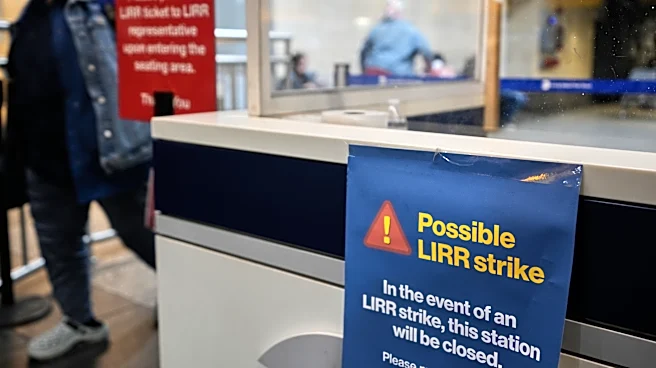
As a result, LIRR service to Penn Station is severely limited, with most trains being diverted to Grand Central or Jamaica. The Metropolitan Transportation Authority (MTA) has advised commuters to seek alternative routes, including using Grand Central Madison or Atlantic Terminal in Brooklyn. Amtrak and NJ Transit services have also been affected, with delays reported. The cause of the fire is under investigation, and no injuries have been reported. The MTA is working to add trains to manage the evening commute, and commuters are urged to check their train's status as service may resume by Friday morning.
Why It's Important?
The disruption of LIRR services due to the fire in the East River Tunnel highlights the vulnerability of critical infrastructure in major urban centers. The incident has caused significant inconvenience for thousands of commuters who rely on the LIRR for daily travel. The delays and rerouting have led to overcrowded platforms and extended travel times, impacting productivity and daily schedules. This event underscores the importance of maintaining and upgrading transportation infrastructure to prevent such occurrences. Additionally, the cross-honoring of tickets by NJ Transit and private carriers reflects the need for coordinated responses among transportation agencies during emergencies. The incident may prompt discussions on infrastructure resilience and emergency preparedness in urban transit systems.
What's Next?
As the investigation into the cause of the fire continues, transportation officials will focus on restoring full service as quickly as possible. The MTA has indicated that service could resume by Friday morning, but commuters are advised to stay informed about their train's status. In the longer term, this incident may lead to increased scrutiny of the maintenance and safety protocols of the LIRR and other transit systems. Stakeholders, including city officials and transportation agencies, may consider investing in infrastructure improvements to enhance safety and reliability. Commuters and advocacy groups might push for more robust contingency plans to minimize disruptions in future emergencies.