


What's Happening?
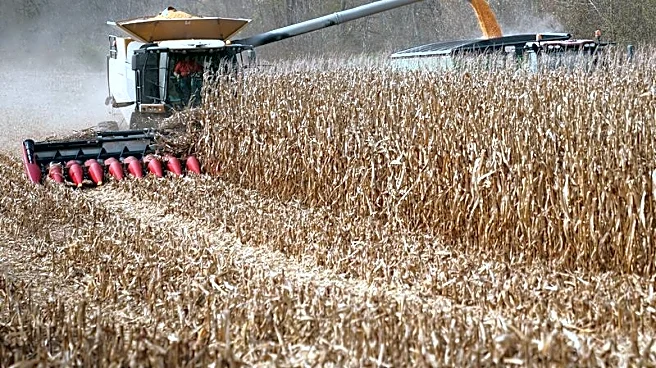
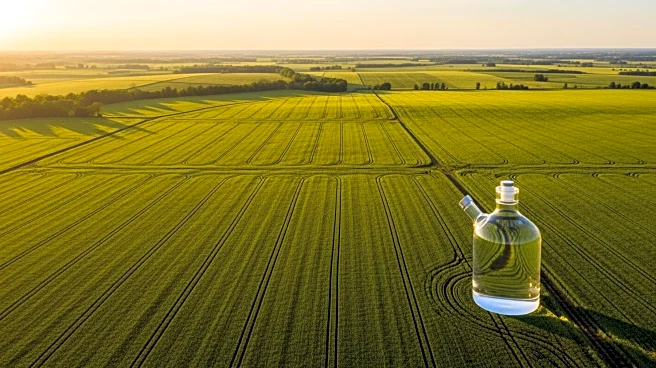
Brazil has transformed from an agricultural underdog to a global leader in soybeans, corn, and biofuels. This shift is attributed to early investments in sugarcane-based ethanol, which laid the foundation for energy independence and agricultural growth.
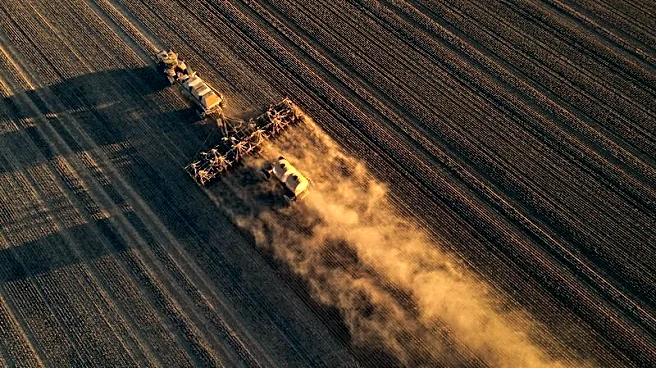
Brazil's vast land and favorable climate allow for two crop cycles per year, enhancing its competitiveness. The country's agricultural expansion has been further fueled by China's increased demand for soybeans following its entry into the World Trade Organization in 2001. Over the past two decades, Brazil has converted over 100 million acres of land for agriculture, with potential for further expansion.
Why It's Important?
Brazil's rise in agriculture has significant implications for global food supply and energy markets. As a major producer of soybeans and corn, Brazil plays a crucial role in meeting global demand, particularly from China. The country's commitment to biofuels also positions it as a leader in sustainable energy solutions. However, this expansion raises environmental concerns, as increased agricultural activity can lead to deforestation and biodiversity loss. Brazil's ability to balance agricultural growth with environmental sustainability will be critical in maintaining its position in global markets and addressing international environmental standards.
Beyond the Headlines
Brazil's agricultural success story highlights the importance of strategic investments in technology and infrastructure. Despite challenges such as infrastructure inefficiencies, Brazil has leveraged innovations like corn-based ethanol plants to reduce costs. The government's consistent biofuel policies have also supported investment and growth. As Brazil continues to expand its agricultural footprint, it will need to address environmental regulations and sustainability standards to ensure long-term viability. The country's experience offers valuable lessons for other nations seeking to enhance their agricultural productivity while managing environmental impacts.