






What's Happening?
The border between South Korea and North Korea remains one of the most heavily fortified in the world, serving as a stark reminder of the Korean War, which ended with an armistice rather than a peace treaty in 1953. This situation leaves the two countries
technically still at war. The impact of the conflict is still visible today, not only through the physical fortifications and war memorials along the border but also in the lives of families separated by the war and survivors who continue to live with memories of loss. The armistice agreement signed on July 27, 1953, marked the cessation of hostilities, but the absence of a formal peace treaty means that the scars of the war remain a significant part of the Korean Peninsula's history.
Why It's Important?
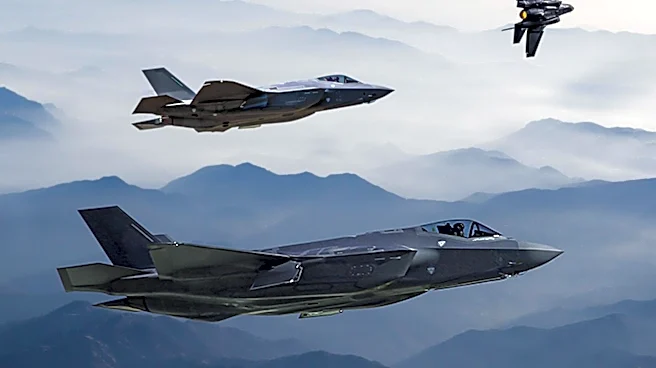
The ongoing division of the Korean Peninsula has significant implications for regional and global security. The heavily armed border is a constant reminder of the potential for renewed conflict, which could have devastating consequences not only for the Korean Peninsula but also for the broader region. The presence of U.S. military forces in South Korea as a deterrent against North Korean aggression underscores the international dimension of this unresolved conflict. Additionally, the division has profound humanitarian implications, particularly for families separated by the border, highlighting the enduring human cost of the war.