





What's Happening?
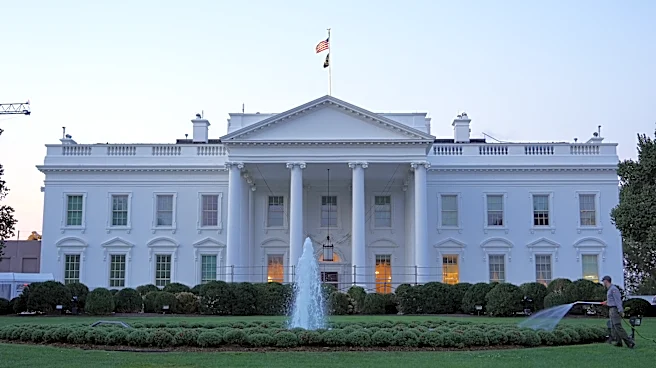
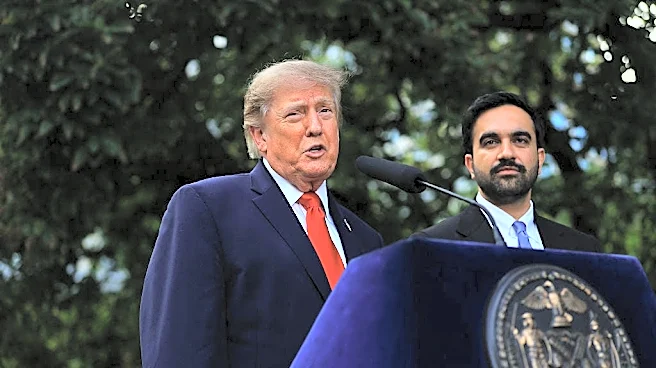
President Trump has banned CNN, MS-NOW, and Politico from the White House. This decision came after his aide, Natalie Harp, reportedly showed him negative media coverage from these outlets, particularly clips criticizing his administration and unfavorable
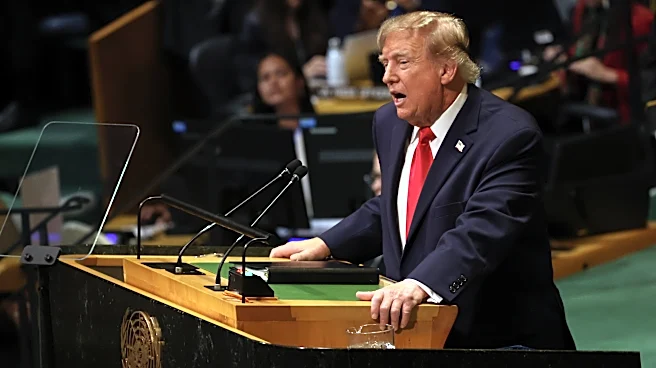
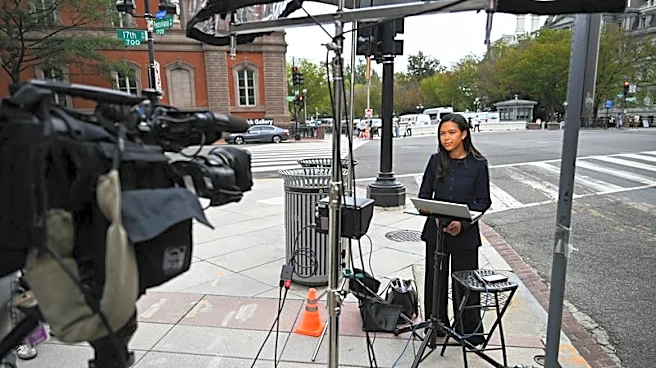
polling data. The ban has led to these news organizations being denied entry to the White House, with Secret Service agents pulling their hard passes. This action has sparked a lawsuit from the three outlets. The ban occurred during a critical foreign policy week, which includes the UN General Assembly meeting and planned meetings with international leaders such as Volodymyr Zelenskyy and Xi Jinping. The absence of these outlets from the press pool means that a significant portion of the press will be blinded during potentially momentous international discussions.
Why It's Important?
This ban is significant as it directly impacts press freedom and transparency in U.S. governance. By restricting access for specific news organizations, the administration is limiting the public's ability to receive diverse information and oversight of presidential activities, especially during crucial international events. The move raises concerns about the administration's approach to media scrutiny and its potential to set a precedent for future restrictions on journalists. It also highlights the ongoing tension between the White House and certain media outlets, potentially exacerbating political polarization. The timing of the ban, coinciding with a key foreign policy week, means that critical diplomatic engagements may receive less comprehensive reporting, affecting public understanding of U.S. foreign relations and policy decisions.
What's Next?
The banned news outlets, CNN, MS-NOW, and Politico, are expected to proceed with their lawsuit against the Trump administration, challenging the legality of the ban. This legal battle will likely focus on First Amendment rights and press access to government institutions. In the immediate future, the absence of these outlets from the White House press corps will continue, particularly affecting coverage of the UN General Assembly and other high-profile diplomatic meetings. Other news organizations in the press pool may also face decisions regarding their coverage in solidarity with the banned outlets, as CNBC has already confirmed that other poolers will halt coverage. The situation could escalate into a broader debate about the role of the press in a democratic society and the boundaries of presidential power in controlling media access.
Beyond the Headlines
The ban on these news outlets extends beyond immediate press access, touching upon deeper implications for democratic norms and the relationship between the executive branch and the media. It underscores a growing trend of administrations attempting to control narratives by limiting access to critical journalists, potentially fostering an environment where only favorable reporting is permitted. This could lead to a chilling effect on investigative journalism and a decline in public trust in both the media and government institutions. The incident also highlights the internal dynamics within the White House, where aides' actions can significantly influence presidential decisions, sometimes with far-reaching consequences for public information and democratic accountability. The long-term impact could be a more fragmented media landscape and a public increasingly reliant on partisan sources for information.