






What's Happening?
CTIA, the wireless industry association, has introduced a new online resource called 'Wireless & Wearables.' This platform aims to educate Americans on how wireless-powered wearable devices are enhancing health outcomes. Currently, over 100 million Americans utilize
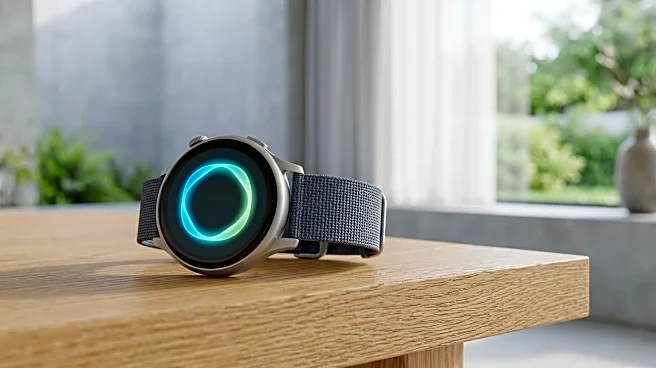
wearable devices, which are proving instrumental in addressing the chronic disease epidemic. The resource emphasizes that these devices, powered by America's wireless networks, function as 24/7 medical tools capable of detecting health issues early and enabling real-time treatment and continuous care. Ajit Pai, President and CEO of CTIA, stated that wireless technology provides individuals with new ways to understand their health, connect to care, and live longer, healthier lives. The 'Wireless & Wearables' initiative profiles real Americans using these devices across various health areas, including general health and fitness, maternal health, aging in place, rural healthcare, remote patient monitoring, heart disease management, diabetes, and assistive technology for people with disabilities. The resource also highlights research demonstrating the impact of wearables, such as smartwatches accurately flagging atrial fibrillation and remote monitoring reducing hospital readmission rates.
Why It's Important?
The launch of 'Wireless & Wearables' is significant for the U.S. healthcare landscape, as it underscores the growing integration of technology in personal health management and chronic disease prevention. The widespread adoption of wearable devices, now used by over 100 million Americans, signifies a shift towards proactive and continuous health monitoring. This trend has substantial implications for reducing healthcare costs, with better prevention and earlier detection of chronic diseases potentially saving $7 trillion over the next 15 years. The ability of wearables to detect conditions like atrial fibrillation with high accuracy can prevent severe health events such as strokes, thereby improving patient outcomes and reducing the burden on emergency services. Furthermore, remote patient monitoring, facilitated by wireless-enabled wearables, has shown to decrease hospital readmission rates by over 65% in some patient groups, making healthcare more efficient and accessible, particularly in underserved rural areas. This initiative highlights how wireless infrastructure is transforming healthcare delivery, making it more personalized, preventative, and responsive to individual needs.
What's Next?
The CTIA's 'Wireless & Wearables' resource is expected to continue expanding its content, providing updated research and real-world examples of how wireless technology is impacting health. The initiative will likely encourage further innovation in wearable device technology and wireless network capabilities to support more sophisticated health monitoring and intervention. As more Americans become aware of the benefits, the adoption rate of wearables is projected to increase, leading to a greater demand for seamless integration with healthcare systems and electronic health records. Future developments may include more personalized digital health tools that leverage AI and machine learning to provide timely and relevant health prompts, moving beyond generic advice to tailored interventions. The focus will also remain on ensuring robust data security and privacy as sensitive health information is increasingly collected and transmitted through these devices. Additionally, the success of these technologies could influence public policy, potentially leading to greater support for telehealth services and remote patient monitoring programs.
Beyond the Headlines
Beyond the immediate health benefits, the proliferation of wireless-powered wearables raises deeper implications for societal health and individual autonomy. The continuous collection of personal health data, while beneficial for early detection and personalized care, also brings forth ethical considerations regarding data ownership, privacy, and potential misuse. The integration of AI-driven analytics with wearable data could lead to highly predictive health models, transforming the traditional doctor-patient relationship into a more collaborative, data-informed partnership. This shift could empower individuals to take a more active role in managing their health, but it also necessitates robust regulatory frameworks to protect sensitive information and ensure equitable access to these technologies. Furthermore, the emphasis on preventative care through wearables could reshape healthcare economics, moving from a reactive treatment model to a proactive wellness model, potentially reducing the long-term strain on healthcare systems and fostering a healthier population. The digital divide, however, remains a challenge, as equitable access to wireless networks and wearable devices is crucial for all Americans to benefit from these advancements.