





What's Happening?
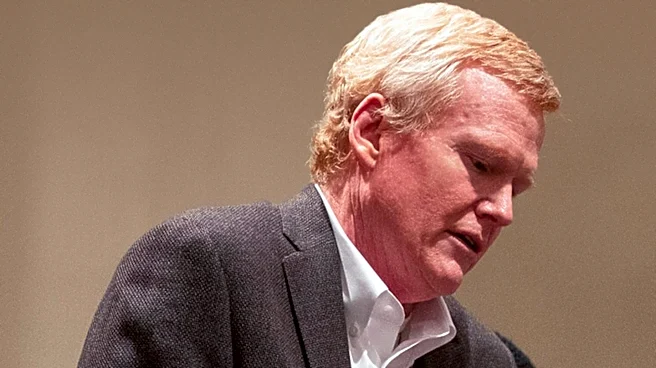
U.S. Representative Michelle Fischbach participated in a groundbreaking ceremony for the Minnesota Energy Connection power line project and the Lyon County Generating Station. The projects, spearheaded by Xcel Energy, aim to enhance grid reliability and support
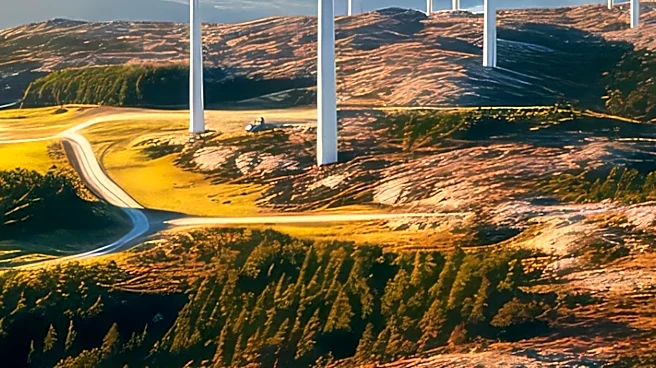
economic growth in Minnesota. The Minnesota Energy Connection is a 185-mile transmission line that will connect renewable energy sources in southwest Minnesota to the electric grid. Additionally, a 420-megawatt natural gas peaking plant will be constructed near Garvin to provide reliable energy during high demand periods. The initiative represents a $1.2 billion investment in transmission infrastructure, expected to generate enough energy to power over a million homes across Minnesota. The projects are anticipated to be completed by 2028.
Why It's Important?
The investment in Minnesota's energy infrastructure is crucial for ensuring grid reliability and supporting the state's economic growth. By connecting renewable energy sources to the grid, the projects will help transition Minnesota towards cleaner energy solutions. The construction of the natural gas peaking plant will provide stability during periods of high demand, which is essential for uninterrupted electricity supply to farms, manufacturing plants, schools, and hospitals. The initiative also promises significant economic benefits, including hundreds of construction jobs and substantial property tax revenue for Lyon County. As energy demand continues to grow across various sectors, these projects are vital for meeting future energy needs sustainably.
What's Next?
The Minnesota Energy Connection transmission line and the Lyon County Generating Station are scheduled for completion in 2028. As construction progresses, stakeholders will likely monitor the integration of renewable energy sources and the impact on local communities. Xcel Energy's investment in local education and community organizations, such as contributions to STEM education and scholarships, indicates a commitment to fostering regional development. The projects may also influence future energy policies and investments in Minnesota, as the state continues to prioritize clean energy and infrastructure improvements.
Beyond the Headlines
The development of these energy projects highlights the broader shift towards a diversified energy portfolio that includes wind, solar, battery storage, and nuclear energy. This approach aims to create a resilient energy system capable of meeting customer demands consistently. The investment in infrastructure not only addresses immediate energy needs but also sets the stage for long-term sustainability and economic growth. As Minnesota retires coal-fired plants and builds clean energy hubs, the state is positioning itself as a leader in renewable energy adoption and innovation.