
What's Happening?
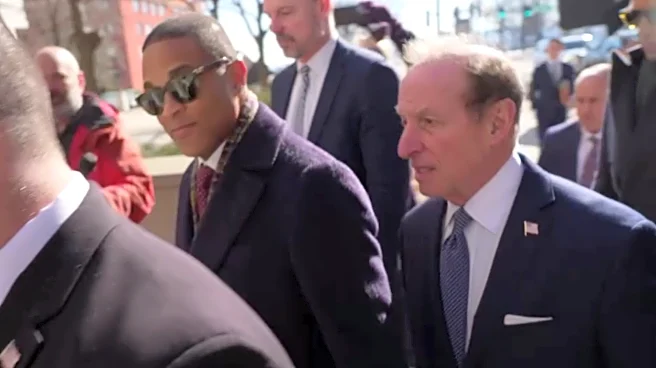
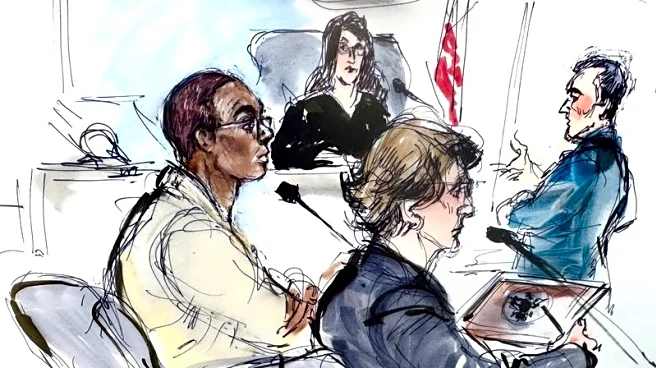
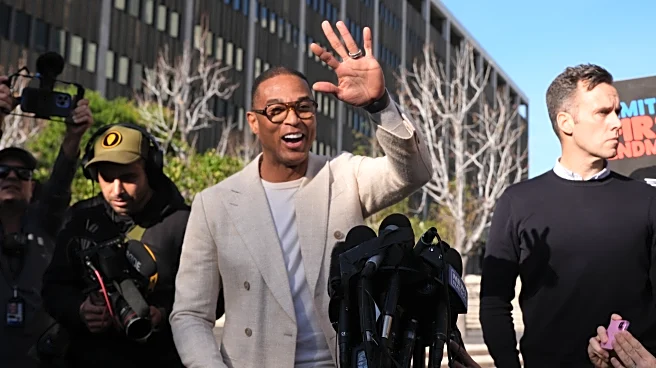
Don Lemon, a journalist and former CNN anchor, appeared in a Minnesota federal court to plead not guilty to charges stemming from his involvement in a protest at Cities Church in St. Paul. The charges include conspiring to violate constitutional rights
and violating the FACE Act, which prohibits interference with religious practices. The protest, which occurred on January 18, involved anti-Immigration and Customs Enforcement demonstrators interrupting a church service. Lemon, alongside independent journalist Georgia Fort, livestreamed the event, which prosecutors describe as a 'takeover-style attack.' Lemon maintains that he was present as a journalist, not an activist, and has vowed to fight the charges. His legal team plans to challenge the indictment's constitutionality and seek access to grand jury materials.
Why It's Important?
This case highlights ongoing tensions between media freedom and law enforcement actions in the U.S. Lemon's arrest and subsequent charges raise concerns about the treatment of journalists covering protests and the potential chilling effect on press freedom. The case also underscores the broader debate over the Trump administration's handling of protests and its impact on civil liberties. The outcome could set a precedent for how journalists are treated in similar situations, affecting media coverage of protests and government accountability. The involvement of high-profile figures like Lemon brings significant public attention to these issues, potentially influencing public opinion and policy discussions.
What's Next?
Lemon's legal team is preparing to file motions challenging the charges, including seeking the return of his phone, which was seized during his arrest. The defense plans to argue the case's unconstitutionality and request access to grand jury materials. The case is likely to draw continued media attention, with potential implications for press freedom and government accountability. The Justice Department's actions and the court's decisions will be closely watched by media organizations, civil rights groups, and the public. The case may also prompt discussions about the balance between national security, law enforcement, and civil liberties.