







What's Happening?
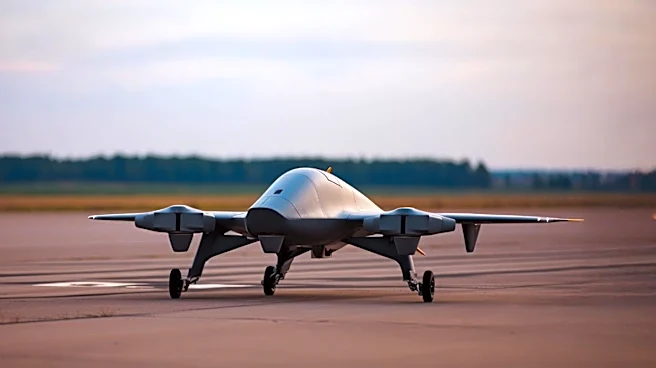
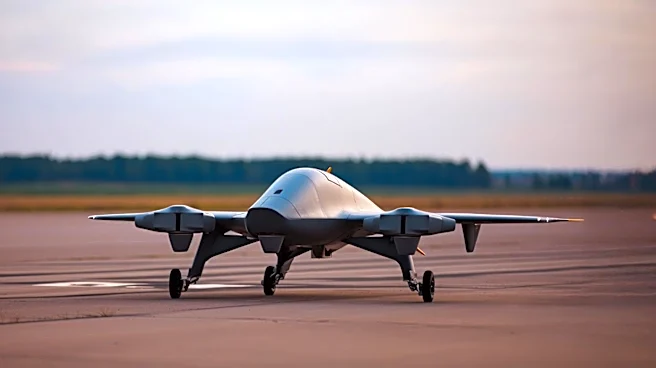
Sikorsky, a Lockheed Martin company, has unveiled the Nomad 100 fast pack, a containerized vertical takeoff and landing uncrewed aerial system (UAS) kit. This system is designed to enable rapid deployment of autonomous air capabilities from austere and infrastructure-limited
locations. The fast pack is housed within a single 20-foot ISO container, which includes four Nomad 100 aircraft, mission-command software, power, communications, and sustainment equipment. This integrated solution aims to meet the U.S. Armed Forces' demand for compact, low-footprint autonomous platforms that can be quickly deployed, sustained, and repositioned in contested environments. According to Rich Benton, vice president and general manager of Sikorsky, the system makes it easier to move, employ, and reposition VTOL UAS capabilities with urgency and flexibility. The Nomad 100 was developed with funding from the Defense Advanced Research Projects Agency (DARPA) as part of its Early VTOL Aircraft Demonstration (EVADE) program.
Why It's Important?
The introduction of the Nomad 100 fast pack is significant for U.S. defense capabilities, particularly in enhancing expeditionary operations. It addresses a critical need for rapid deployment of autonomous systems in environments where traditional infrastructure is unavailable or compromised. This capability can provide immediate intelligence, surveillance, reconnaissance, and targeting (ISR-T), light attack, and contested logistics support, offering multirole capabilities in dynamic and challenging operational theaters. The system's design for minimal personnel requirements and rapid setup means that military forces can establish air superiority or surveillance much faster, reducing response times and increasing operational flexibility. This innovation also underscores Lockheed Martin's continued push in autonomous systems, moving beyond basic self-fly concepts to operator-commanded systems that can adapt to complex operations, thereby strengthening the technological edge of the U.S. military.
What's Next?
The Nomad 100 fast pack is designed for immediate operational readiness, with two aircraft capable of being mission-ready in under 15 minutes, and two more within four to six hours. This rapid deployment capability suggests that the system could be integrated into U.S. military operations relatively quickly, especially for units requiring agile and mobile autonomous air support. The containerized system's ability to be repacked and moved to new sites after mission completion indicates its potential for widespread use in various operational scenarios. Future developments may involve further integration with existing military command and control systems and potential enhancements to its multirole capabilities. The U.S. Armed Forces will likely evaluate its performance in diverse environments to determine broader adoption and deployment strategies, potentially influencing future procurement of similar autonomous systems.
Beyond the Headlines
The Nomad 100 fast pack represents a broader shift in military strategy towards highly mobile, adaptable, and autonomous systems. This development could reduce the reliance on large, fixed airbases and extensive logistical chains, making military operations more resilient against sophisticated threats. Ethically, the increased autonomy of such systems raises questions about decision-making processes in combat scenarios, though the system is described as 'operator commanded.' Legally, the deployment of such advanced UAS in international contexts will continue to shape discussions around the laws of armed conflict and the use of autonomous weapons. Culturally, it signifies a growing acceptance and integration of AI and robotics into core defense strategies, potentially leading to a transformation in how future conflicts are approached and managed, emphasizing speed, precision, and reduced human exposure to direct combat risks.