






What's Happening?
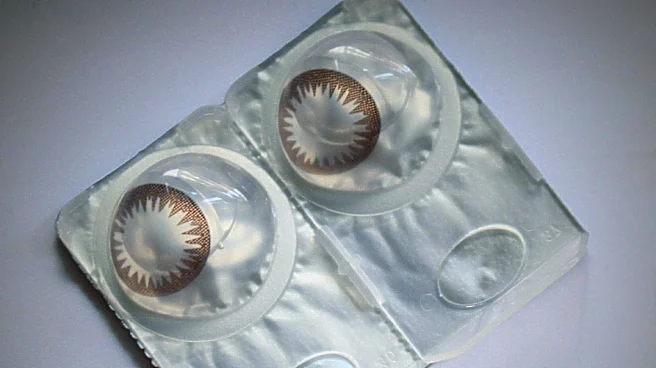
Biruni University Hospital has issued a warning regarding the severe risks associated with the misuse of colored and cosmetic contact lenses, a trend increasingly popular on social media. Experts emphasize that these lenses, often purchased online without
professional examination or prescription, can lead to serious eye health problems. These issues range from infections and corneal damage to permanent vision loss. The hospital highlights that even 'non-prescription' lenses are not harmless, as they can prevent the cornea from receiving sufficient oxygen if worn for extended periods. Additionally, poor quality materials and harmful chemicals in unregulated products can damage eye tissue, potentially causing irreversible harm if they leak onto the eye surface. Improper hygiene and use, such as swimming with lenses, further exacerbate these risks by introducing microorganisms that can cause difficult-to-treat infections.
Why It's Important?
The widespread use of cosmetic contact lenses, particularly among younger demographics influenced by social media, presents a significant public health concern. The lack of awareness regarding the medical nature of contact lenses, even those used for aesthetic purposes, can lead to severe and irreversible eye damage. This trend underscores a broader issue of consumers bypassing professional medical advice for products that directly impact their health. The potential for permanent vision loss, corneal ulcers, cataracts, and secondary glaucoma from improper lens use can place a substantial burden on healthcare systems and individuals. It also highlights the need for stricter regulation and public education campaigns to inform users about the necessity of eye examinations and prescriptions for all types of contact lenses, regardless of their intended use.
What's Next?
To mitigate these risks, Biruni University Hospital advises that individuals obtain contact lenses only after a comprehensive eye examination and with a physician's recommendation, as every eye structure is unique. Strict adherence to hygiene rules is crucial, including never swimming in the sea or pool while wearing lenses to prevent severe infections from microorganisms like Acanthamoeba. Users are urged to be vigilant for symptoms such as severe stinging, redness, light sensitivity, sudden blurred vision, tearing, or pain. Should these symptoms occur, immediate lens removal and consultation with an eye specialist are critical for early intervention and to reduce the risk of permanent damage. Public health campaigns and increased regulatory oversight on the sale of cosmetic contact lenses may be necessary to protect consumers.
Beyond the Headlines
The issue of cosmetic contact lens misuse extends beyond individual health risks, touching upon broader ethical and regulatory challenges in the digital age. The influence of social media in promoting aesthetic trends, often without adequate health warnings, raises questions about the responsibility of platforms and influencers. The ease of purchasing unregulated medical devices online bypasses traditional safeguards, creating a grey area where consumer safety is compromised. This situation highlights the tension between personal aesthetic choices and public health, suggesting a need for a multi-faceted approach involving healthcare providers, regulatory bodies, and social media platforms to educate the public and enforce safer practices. The long-term societal impact could include an increase in preventable vision impairments and associated healthcare costs.