




What's Happening?
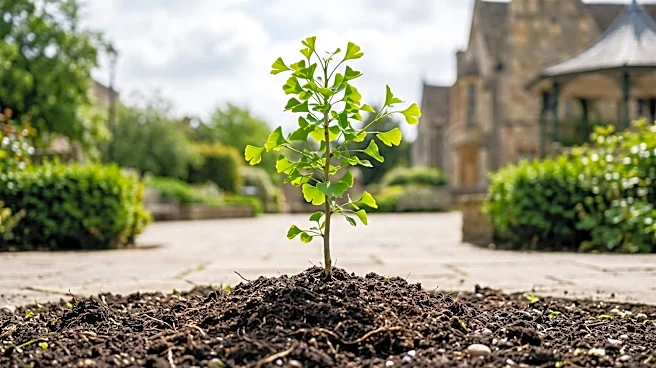
Horsham District Council in the UK planted a commemorative peace tree, a ginkgo, in The Causeway following an Armistice Day service. This ginkgo tree symbolizes peace and regeneration, notably because ginkgo trees famously survived the atomic bomb dropped
on Hiroshima. The species is also recognized for its climate resilience and vibrant autumn color. This new planting replaces an original peace tree from 1986, which had to be removed earlier this year due to significant decay posing a public safety risk. The council chose Armistice Day for the planting to honor those who have served, sacrificed, and worked towards global peace. Additionally, a short service was held at Hills Cemetery in Horsham to commemorate Polish soldier Captain Czeslaw Witold Chojnicki.
Why It's Important?
The planting of the ginkgo tree, with its direct link to Hiroshima's resilience, serves as a powerful symbol of enduring peace and regeneration in the face of devastation. For the U.S., this event resonates with the historical significance of the atomic bombings and the ongoing global dialogue surrounding nuclear disarmament and peace efforts. While geographically distant, the symbolism connects to the broader human experience of conflict and recovery, a theme that has shaped U.S. foreign policy and its role in international peace initiatives. The act of replacing a decaying peace tree also underscores the continuous effort required to maintain and renew symbols of peace, reflecting the persistent challenges in achieving lasting global harmony. It highlights the universal desire for peace and the recognition of historical events that underscore its importance.
What's Next?
The newly planted ginkgo tree will continue to grow as a living memorial, serving as a constant reminder of peace and resilience for the Horsham community. Its presence will likely foster ongoing reflection on the lessons of war and the importance of international cooperation. Future Armistice Day commemorations in Horsham will undoubtedly incorporate this new symbol into their ceremonies, reinforcing its significance. The council's decision to plant a climate-resilient species also suggests a forward-looking approach, linking historical remembrance with contemporary environmental concerns. This act may inspire other communities to adopt similar symbolic gestures that connect local remembrance with global historical events and future challenges.
Beyond the Headlines
The choice of a ginkgo tree, specifically because of its survival in Hiroshima, carries profound ethical and cultural implications. It transforms a botanical species into a living testament to human endurance and the possibility of renewal after catastrophic events. This act transcends mere commemoration, offering a tangible link to a pivotal moment in human history and its devastating consequences. It subtly encourages a deeper contemplation of the ethical dimensions of warfare and the long-term impact of technological advancements. The tree becomes a silent educator, prompting reflection on the responsibility to prevent future atrocities and to cultivate a culture of peace, echoing the global desire for a world free from nuclear threats.