




What's Happening?
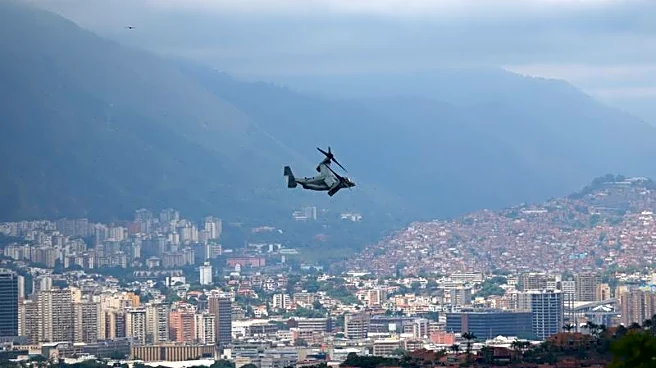
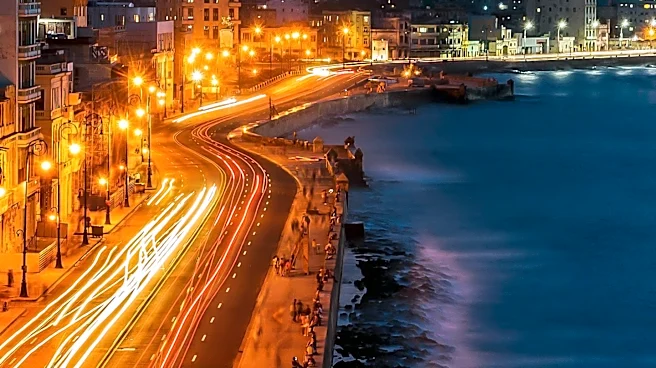
Cuba experienced a nationwide blackout as its energy grid collapsed, marking the first outage in August following three in July. The ongoing energy crisis is exacerbated by a U.S. oil blockade and the capture of Venezuelan President Nicolás Maduro, which
has strained Cuba's aging infrastructure. The blackouts have disrupted daily life, forcing residents to adapt to unpredictable electricity availability.
Why It's Important?
The frequent blackouts highlight the fragility of Cuba's energy infrastructure and the broader geopolitical tensions affecting the region. The U.S. blockade and pressure on Cuba's allies have significant implications for the country's economy and daily life. These challenges may prompt Cuba to accelerate economic reforms and seek alternative energy solutions, impacting its future development and international relations.
What's Next?
Cuba's government is likely to continue pursuing economic reforms and foreign investments to stabilize its energy sector. The approval of private investments in fuel distribution and tourism indicates a shift towards more open economic policies. However, the effectiveness of these measures will depend on the government's ability to navigate international pressures and internal challenges.