


What's Happening?
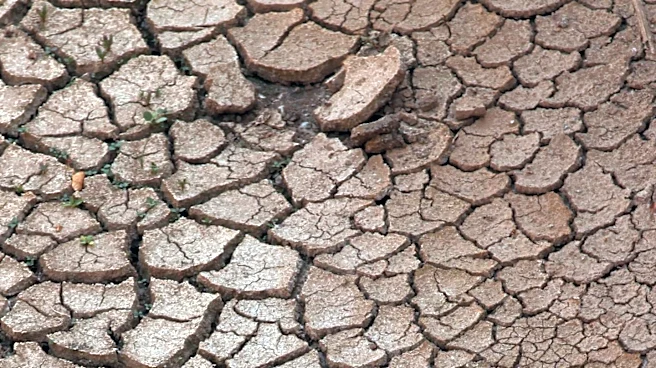
Livestock producers in the Northern Plains are turning to agricultural byproducts and crop residues as a cost-effective solution to stretch limited forage supplies due to persistent drought conditions. Byproducts such as distillers grains, soybean hulls,
and sunflower meal provide high-quality digestible energy, protein, and fiber. These byproducts are most effective when used as part of a balanced ration rather than a complete replacement for forages. Producers are advised to conduct forage and feed tests to determine the exact nutrients provided and to calculate the cost per pound of nutrient rather than per ton. This approach helps in reducing supplementation costs and conserving hay inventory.
Why It's Important?
The use of agricultural byproducts as feedstuff is crucial for livestock producers facing limited forage supplies due to drought. By incorporating these byproducts into livestock diets, producers can conserve hay inventory, reduce feed costs, and improve operational flexibility. This strategy not only supports the economic viability of livestock operations but also ensures the nutritional needs of livestock are met. The ability to utilize cost-effective feed options is essential for maintaining livestock health and productivity, especially during challenging environmental conditions.
What's Next?
Producers are encouraged to continue evaluating their forage inventory and make timely purchasing decisions before supplies dwindle further and prices increase. As drought conditions persist, the demand for alternative feed options is likely to grow, prompting producers to explore additional byproducts and crop residues. Ongoing research and development in feed technology may also provide new opportunities for optimizing livestock nutrition and cost management.