







What's Happening?
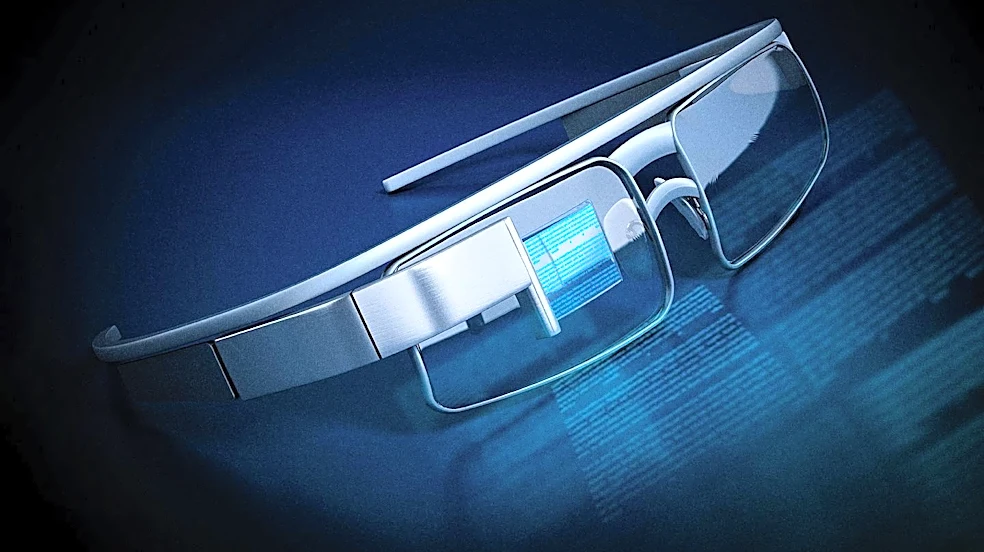
Xreal has released its new high-end display glasses, the Xreal One Pro Plus, priced at $599. These glasses offer subtle but significant upgrades over last year's model, primarily featuring a brightness boost to 1,200 nits, compared to the previous 700
nits. This enhancement makes the glasses more effective in brightly lit environments or outdoors. The One Pro Plus also includes new visual settings, such as a 'Reading' mode that adjusts the virtual display's proximity, and a smoother AI 3D conversion mode for 2D content. The design remains similar to its predecessor, requiring a USB-C tether to a laptop, phone, or game console, and still projects displays through half-mirror lenses.
Why It's Important?
The launch of the Xreal One Pro Plus signifies a continued advancement in wearable display technology within the U.S. consumer electronics market. The increased brightness addresses a key limitation of previous models, making these glasses more versatile for various lighting conditions and enhancing the user experience for both productivity and entertainment. This development could accelerate the adoption of display glasses as a viable alternative or supplement to traditional screens, impacting how individuals consume media, work remotely, and interact with digital content. For the tech industry, it intensifies competition in the augmented reality and wearable tech sectors, pushing other manufacturers to innovate further in display quality, comfort, and functionality.
What's Next?
The introduction of the Xreal One Pro Plus is likely to be followed by reviews and user feedback that will shape future iterations of wearable display technology. Xreal's strategy of offering multiple display glasses options, including collaborations with companies like Asus and Google, suggests a push towards diversifying its product line and catering to different market segments. The company is also preparing to launch the Xreal Aura, a mixed reality computer-glasses system, later this fall, indicating a broader ambition in the mixed reality space. This continuous innovation suggests that consumers can expect more refined and integrated wearable display solutions in the near future, potentially leading to wider mainstream adoption.
Beyond the Headlines
Beyond the technical specifications, the evolution of display glasses like the Xreal One Pro Plus raises deeper questions about the future of personal computing and digital interaction. As these devices become more comfortable and visually capable, they could blur the lines between physical and digital realities, potentially altering social behaviors and work environments. The concept of a 'personal cinema' or a portable, private workspace accessible anywhere could redefine privacy in public spaces and change how individuals engage with their surroundings. Ethical considerations regarding data privacy, digital addiction, and the potential for social isolation or enhanced connection will become increasingly relevant as this technology matures and integrates further into daily life.