



What's Happening?
In his recent State of the Union address, President Donald Trump announced a new initiative aimed at expanding retirement savings options for American workers. The proposal includes a plan to offer 401(k) retirement accounts to workers who currently lack
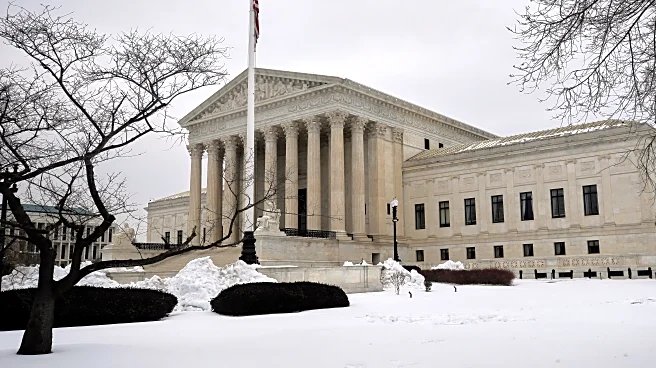
access to such plans through their employers. Under this initiative, the government would match worker contributions up to $1,000 annually. This move is part of a broader effort to enhance financial security for Americans, particularly those without employer-sponsored retirement plans. During his address, President Trump also criticized a recent Supreme Court ruling that invalidated his tariff regime, a key component of his economic agenda. Additionally, he called for stricter regulations on insider trading by members of Congress, highlighting the need for ethical reforms in financial dealings by public officials.
Why It's Important?
The proposed expansion of 401(k) plans is significant as it addresses a critical gap in retirement savings for many American workers. With approximately half of the workforce lacking access to employer-sponsored retirement plans, this initiative could provide a substantial boost to their financial security. The government's matching contribution is designed to incentivize savings and ensure that more Americans can benefit from the stock market's growth. Furthermore, the call for stricter insider trading regulations reflects ongoing concerns about ethical standards in Congress, aiming to restore public trust in the legislative process. By addressing these issues, the proposal seeks to enhance both economic stability and ethical governance.
What's Next?
The next steps involve legislative action to implement the proposed 401(k) expansion and insider trading reforms. Congress will need to debate and potentially pass legislation to formalize these initiatives. The proposal is likely to face scrutiny and discussion among lawmakers, with potential amendments and negotiations shaping the final outcome. Additionally, the response from financial institutions and employers will be crucial in determining the practical implementation of the expanded retirement savings plans. Public opinion and advocacy from various stakeholders, including retirement and financial planning experts, will also play a role in influencing the legislative process.