



What's Happening?
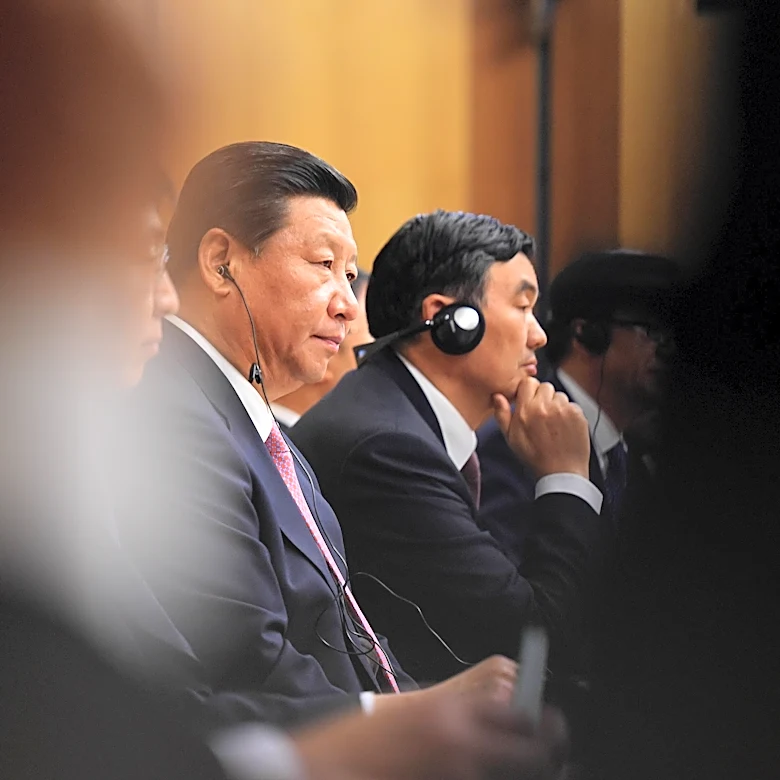
The Director-General of the Food and Agriculture Organization of the United Nations (FAO), QU Dongyu, emphasized the critical role of diplomacy in addressing and preventing food crises. Speaking at the Mediterranean Dialogues 2026 (MED-Dialogues), he stated
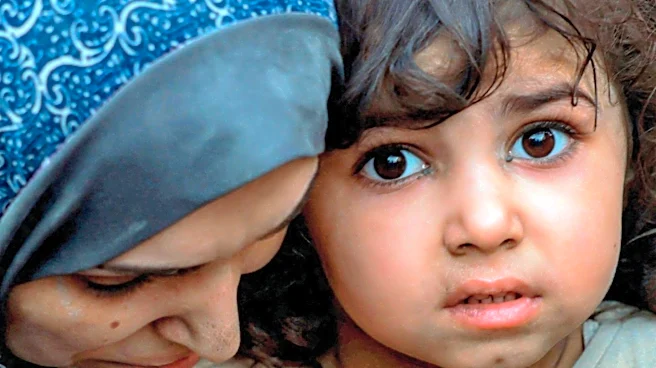
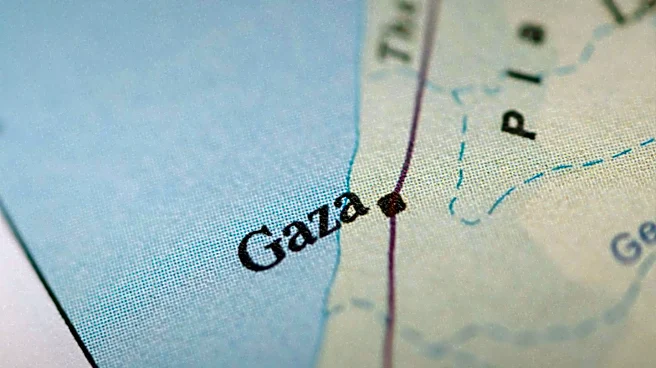
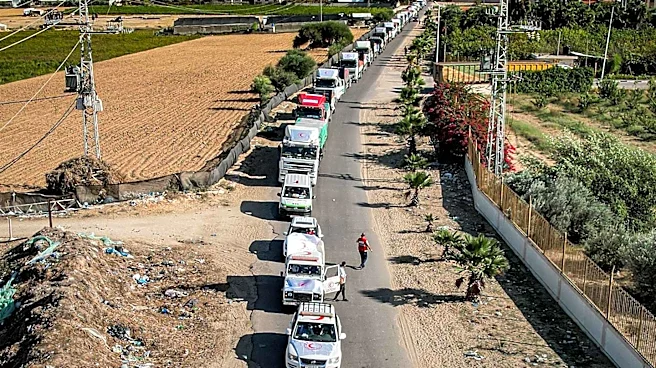
that peace is fundamental for food security, which in turn holds strategic importance for diplomacy, economic stability, and international cooperation. The 2026 Global Report on Food Crises revealed that 266 million people across 47 countries faced high levels of acute food insecurity in 2025, with famine confirmed in parts of Gaza and Sudan. Conflict is identified as a primary cause of acute hunger, destroying agricultural infrastructure, preventing farmers from accessing land, disrupting markets, and undermining communities' ability to produce food. The Director-General highlighted that these impacts can persist long after hostilities cease. He also noted that geopolitical shocks, such as recent disruptions to energy, fertilizer, and transport markets in the Gulf, can affect food production and prices globally, further pressuring vulnerable nations.
Why It's Important?
The FAO's call for integrating food security into diplomatic efforts underscores a critical shift in international relations, recognizing food as a tool for stability rather than just a humanitarian concern. The confirmation of famine in regions like Sudan highlights the severe human cost of ongoing conflicts and the urgent need for coordinated global responses. The destruction of agricultural infrastructure and disruption of supply chains have long-term consequences, impeding recovery and perpetuating cycles of poverty and instability. By advocating for 'food diplomacy,' the FAO aims to ensure that food security is a central component of conflict resolution and prevention strategies. This approach seeks to protect not only immediate food access but also the capacity for future food production, which is vital for sustainable development and regional stability. The interconnectedness of global markets means that disruptions in one region can have far-reaching effects on food prices and availability worldwide, impacting economic stability even in countries not directly involved in conflicts.
What's Next?
The FAO Director-General outlined three key priorities for advancing food diplomacy. First, protecting food security must be an integral part of diplomatic efforts in conflict zones, adhering to international humanitarian law that prohibits starvation as a method of warfare. Second, diplomatic engagement must safeguard people's capacity to produce food by protecting agricultural production, livestock, water infrastructure, markets, and essential supply routes. This includes ensuring farmers can access land, seeds, and fertilizers to prevent missed planting seasons, which have prolonged consequences. Third, scientific evidence and early warning systems need to be more directly linked to diplomatic and financing decisions. This will enable governments, international institutions, and financing partners to identify opportunities for preventive diplomatic engagement, mobilize resources earlier, and support interventions that protect both lives and livelihoods. Enhanced cooperation on trade, agricultural inputs, and resilient supply chains is also crucial, especially for countries facing severe food insecurity.
Beyond the Headlines
The concept of 'food diplomacy' extends beyond immediate humanitarian aid, suggesting a deeper integration of food security into geopolitical strategies. This approach acknowledges that food insecurity can be both a consequence and a driver of conflict, creating a vicious cycle of instability. By prioritizing the protection of agricultural systems and local food production capabilities, diplomatic efforts can foster long-term resilience and reduce dependency on external aid. This also raises ethical considerations regarding the use of food as a weapon of war and the international community's responsibility to protect civilian access to essential resources. The FAO's emphasis on scientific evidence and early warning systems highlights the importance of data-driven decision-making in preventing crises, shifting from reactive responses to proactive engagement. Ultimately, making food security a central diplomatic priority could lead to more sustainable peace agreements and a more stable global food system, reducing the likelihood of future conflicts fueled by resource scarcity.