






What's Happening?
The United Nations Conference on Trade and Development (UNCTAD), in collaboration with the World Trade Organization (WTO), has reported a 1.9% increase in the volume of world merchandise trade in the first quarter of 2026 compared to the previous quarter,
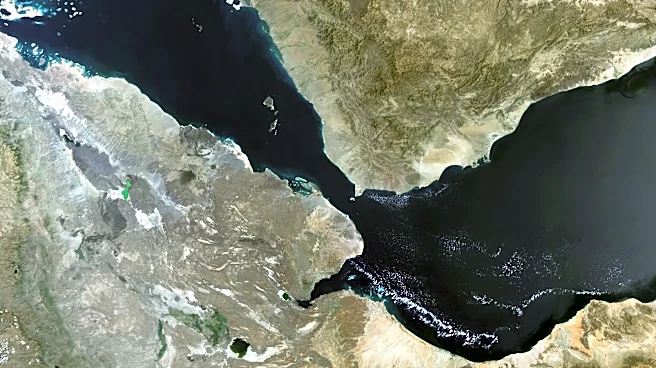
and a 3.2% increase compared to the same quarter in the previous year. This growth occurred despite the ongoing conflict in the Middle East, which has disrupted trade routes, particularly through the Strait of Hormuz. The report highlights that North America experienced a 7.0% year-on-year increase in exports, although imports decreased by 10.7% due to previous frontloading ahead of anticipated tariff hikes. The trade in AI-related goods has been a significant contributor to this growth, with a reported 40% increase in value year-on-year.
Why It's Important?
The resilience of global trade, as reported by UNCTAD and WTO, underscores the adaptability of international markets in the face of geopolitical tensions. The growth in AI-related goods trade suggests a shift in global economic drivers, with technology sectors potentially offsetting losses in traditional trade routes affected by the Middle East conflict. For North America, the decrease in imports could signal a shift towards more self-reliant economic strategies or a response to previous tariff policies. The data also indicates potential shifts in global supply chains, with Asia and North America showing strong trade growth, possibly at the expense of regions directly affected by the conflict.
What's Next?
The ongoing conflict in the Middle East is expected to continue impacting trade flows, particularly in energy sectors. The WTO anticipates larger contractions in Middle East trade by the end of the year, while growth in AI-related sectors may continue to bolster trade in Asia and North America. The next Global Trade Outlook and Statistics report, due in October, will provide updated forecasts and insights into how these dynamics are evolving. Stakeholders in global trade will be closely monitoring these developments to adjust strategies accordingly.
Beyond the Headlines
The current trade dynamics highlight the increasing importance of technology and AI in global economic structures. As traditional trade routes face disruptions, the ability of economies to pivot towards technology-driven growth could redefine competitive advantages on the global stage. This shift may also influence policy decisions, with governments potentially prioritizing investments in technology infrastructure to sustain economic growth amidst geopolitical uncertainties.