






What's Happening?
Mississippi currently adheres to the federal minimum wage of $7.25 per hour, a rate that has remained unchanged since July 24, 2009. The state does not have its own minimum wage law, meaning the federal Fair Labor Standards Act (FLSA) dictates the wage floor
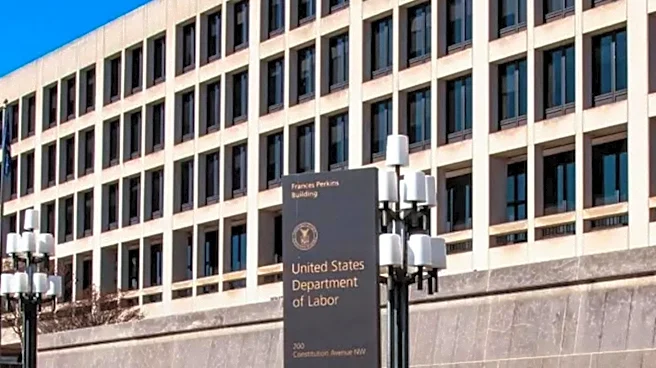
for most employees. Tipped employees in Mississippi are subject to a federal cash wage of $2.13 per hour, with tips expected to bring their total earnings to at least the federal minimum wage. Additionally, a youth wage of $4.25 per hour is permitted for employees under 20 years old during their first 90 consecutive calendar days of employment. Mississippi law also explicitly prohibits cities and counties within the state from establishing their own local minimum wages, ensuring a uniform $7.25 per hour floor across the state. The Mississippi Department of Employment Security does not enforce minimum wage laws; instead, complaints are directed to the federal Wage and Hour Division.
Why It's Important?
The reliance on the federal minimum wage in Mississippi has significant implications for its workforce and economy. With no state-specific minimum wage legislation, the state's wage floor has not increased in over a decade, potentially impacting the purchasing power and living standards of low-wage workers. This also creates a disparity with neighboring states like Arkansas, which has a minimum wage of $11.00, potentially influencing labor migration and economic competitiveness. For businesses, the consistent federal rate simplifies compliance across the state, as they do not need to navigate varying local ordinances. However, it also means that employers in Mississippi may face challenges in attracting and retaining talent if nearby states offer higher wages. The absence of state enforcement for minimum wage issues places the burden of oversight entirely on federal agencies, which could affect the responsiveness to worker complaints and overall labor protections within the state.
What's Next?
As of September 2026, no increase to Mississippi's minimum wage is scheduled. While bills to establish a state minimum wage above the federal rate have been introduced in the legislature in recent sessions, none have passed. This indicates a continued reliance on federal action for any future changes to the minimum wage in Mississippi. Employers and employees will continue to operate under the current federal guidelines, with the federal Wage and Hour Division remaining the primary enforcement body. Any future adjustments to the minimum wage in Mississippi would likely require either a successful legislative effort at the state level or a change in the federal minimum wage standard set by Congress. The ongoing debate over minimum wage increases at the national level will therefore remain a key factor for Mississippi's economic landscape.
Beyond the Headlines
The long-standing adherence to the federal minimum wage in Mississippi, coupled with the prohibition on local wage ordinances, highlights a broader philosophical stance on economic regulation within the state. This approach prioritizes a uniform, federally determined wage floor, which proponents argue fosters business predictability and avoids a patchwork of local regulations that could complicate operations for businesses. However, critics often point to the potential for suppressed wage growth and increased economic hardship for low-income families, especially in the face of rising living costs. The lack of state-level minimum wage enforcement also raises questions about the accessibility of recourse for workers and the overall effectiveness of labor protections. This situation underscores the ongoing national debate about the role of federal versus state and local governments in setting wage standards and addressing economic inequality.