






What's Happening?
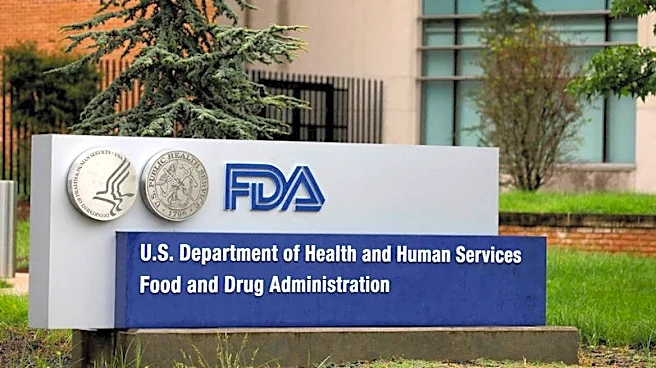
The U.S. Food and Drug Administration (FDA) has issued a direct final rule aimed at removing outdated references to animal testing in its drug and biologics regulations. This action is a significant step towards encouraging drug companies to utilize cutting-edge
non-animal testing methods. Despite the FDA's public commitment to advancing non-animal test methods, existing regulations have often led companies to believe that animal testing is a mandatory requirement for drug approval. The new rule, which could become effective as early as February 4, 2027, directly responds to a 2024 legal petition filed by Humane World for Animals and Humane World Action Fund. These organizations advocated for the FDA to clarify that animal testing is not legally required. This initiative aligns with the FDA's stated goal of making animal tests "the exception rather than the norm" for preclinical safety and toxicity testing within the next three to five years.
Why It's Important?
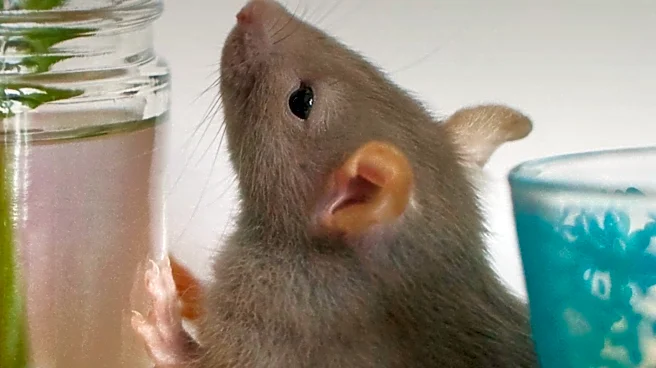
This regulatory change is crucial for several reasons, impacting both scientific advancement and animal welfare. Historically, millions of animals, including dogs, rabbits, monkeys, mice, and rats, have been used in drug safety and efficacy evaluations. However, animal tests are often criticized for their limited ability to accurately predict human responses, leading to potential inefficiencies and ethical concerns in drug development. By clarifying that animal testing is not a legal prerequisite, the FDA is removing a significant barrier that has hindered the adoption of more advanced, human-based testing methods. This shift is expected to accelerate innovation in drug development, allowing for greater use of technologies such as human cell-based systems, organ-on-a-chip technologies, and computational models. These alternative methods are considered more scientifically relevant and humane, potentially leading to safer and more effective drugs for human use while sparing animals from suffering.
What's Next?
The new rule is slated to take effect as soon as February 4, 2027, pending public comments, which the FDA will accept until December 7, 2026. This period allows stakeholders to provide feedback on the proposed changes. Following the implementation, drug companies will be encouraged to re-evaluate their testing strategies and increasingly adopt non-animal methods. The FDA's action is part of a broader governmental trend, with other agencies like the National Institutes of Health and the Environmental Protection Agency also prioritizing human-based research and aiming to reduce reliance on animal experiments. The success of this initiative will largely depend on the regulated industries' willingness to adapt and invest in these new technologies. This move is expected to foster a new era of drug development that is both more ethical and scientifically robust, with ongoing monitoring and communication from the FDA regarding the acceptance and application of non-animal methods.
Beyond the Headlines
This FDA decision represents a fundamental shift in the philosophical and practical approach to drug development, moving away from a long-standing reliance on animal models. It highlights the evolving scientific understanding that human biology is best studied through human-relevant systems, rather than extrapolating from animal data. The change also underscores the power of advocacy groups like Humane World for Animals in influencing federal policy and driving ethical considerations into regulatory frameworks. Beyond the immediate impact on drug testing, this could catalyze broader changes in scientific research across various fields, promoting the development and validation of alternative testing methods. It also raises questions about the future of animal research facilities and the retraining of scientists currently specialized in animal testing. This move could position the U.S. as a leader in humane and advanced scientific research, potentially influencing international regulatory standards and fostering a global shift towards non-animal testing methodologies.