








What's Happening?
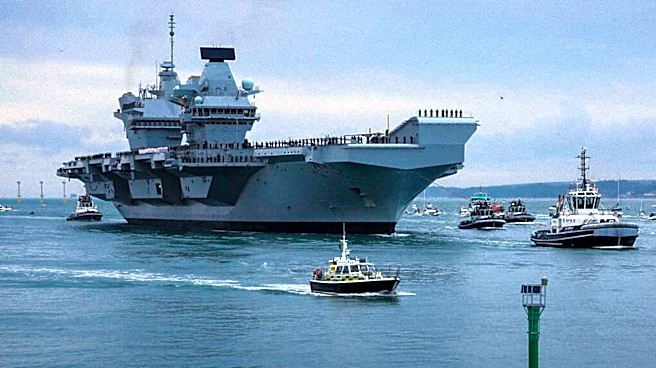
The United Kingdom has unveiled a defense plan that includes a $20 billion increase in military spending, focusing on advanced technologies such as self-flying fighter jets, uncrewed submarines, and drones. This move comes as the UK faces pressure to
bolster its defense capabilities in response to a more aggressive Russia and a less reliable United States. Prime Minister Keir Starmer emphasized the need for preparation in a volatile world, although the plan does not meet the previously discussed target of spending 3% of GDP on defense by 2030. The plan has faced criticism for not committing enough resources, leading to the resignation of former Defense Secretary John Healey.
Why It's Important?
The increase in defense spending is significant as it reflects the UK's strategic shift towards modernizing its military capabilities in the face of global security challenges. The focus on drones and advanced technology highlights the changing nature of warfare, as seen in the ongoing conflict in Ukraine. The plan's reception underscores the tension between military needs and fiscal constraints, with critics arguing that the UK is not keeping pace with its NATO commitments or the threats posed by adversaries like Russia. The decision also has implications for the UK's role within NATO and its relationship with the United States, which has urged European allies to increase their defense spending.
What's Next?
The UK government will need to navigate the political and financial challenges of implementing the defense plan. The upcoming NATO summit in Turkey may provide a platform for further discussions on defense commitments and spending targets. The new Defense Secretary, Dan Jarvis, will be tasked with refining and executing the plan, while addressing the concerns raised by critics. The UK will also need to balance its defense priorities with other domestic and international obligations, potentially leading to further debates on budget allocations and strategic priorities.