





What's Happening?
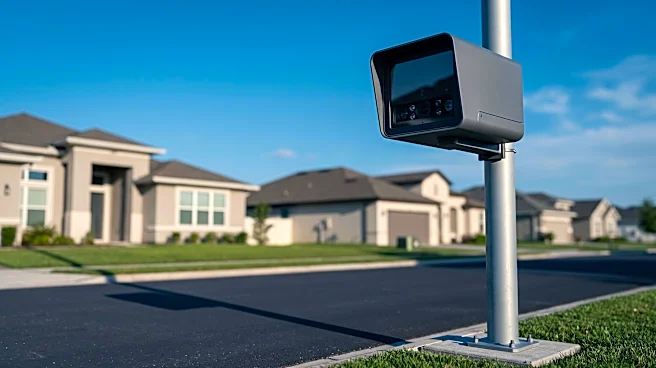
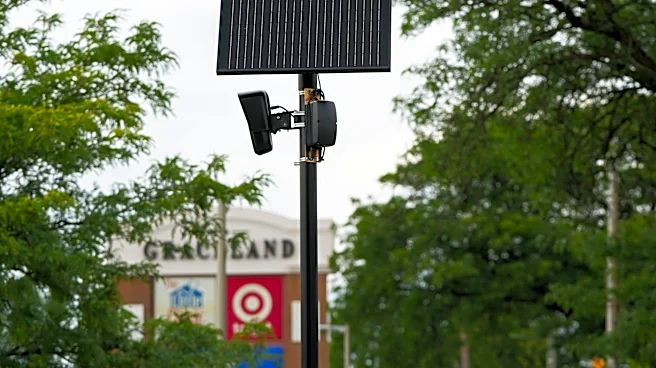
A local advocacy group, 'Flock No,' is urging the Cleveland Metropolitan School District (CMSD) to end its contract with Flock Safety, a company providing license plate reader cameras. The group organized a protest outside Newton D. Baker School, demanding
the removal of hundreds of surveillance cameras. According to Bryn Addams, an organizer with Flock No, the district has spent over $600,000 on these cameras, which the group considers a waste of taxpayer money, especially given recent staff layoffs and school consolidations. They argue these funds could be better utilized for educational resources and staff retention. While some residents and CMSD employees believe the cameras help deter and track crimes, parents express concerns about the psychological impact of constant surveillance on children. Molly Marcinkevicius, a mother, voiced worries about raising her child in a society with mass surveillance and emphasized that school funds should prioritize children's education.
Why It's Important?
This situation highlights a growing national debate regarding the balance between public safety and privacy, particularly in educational settings. The use of license plate reader cameras by school districts, while intended to enhance security and deter crime, raises significant concerns about mass surveillance and its potential impact on civil liberties. For U.S. communities, the allocation of taxpayer dollars is a critical issue, especially when school districts face budget constraints. The argument that funds spent on surveillance technology could instead be directed towards educational programs, staff, or facility maintenance resonates with many parents and community members. This local Cleveland issue reflects a broader trend where technology intended for security is scrutinized for its cost-effectiveness, ethical implications, and potential for misuse, as evidenced by a previous investigation into a dispatcher wrongly using a Flock camera in Northeast Ohio.
What's Next?
The 'Flock No' group plans to continue its advocacy, having also lobbied the city of Cleveland to terminate its municipal contract with Flock Safety due to privacy concerns. CMSD board member Jerry Billups has expressed concerns regarding Flock Safety's organization, though he has not commented specifically on the district's contract. Cleveland 19 News has reached out to a CMSD spokesperson for information on the active contract, its cost, and whether termination is being considered, and is awaiting a response. The outcome of this local dispute could influence other school districts across the U.S. that are considering or currently using similar surveillance technologies. Future developments will likely involve further discussions between the advocacy group, the school district, and potentially the city, as well as public discourse on the efficacy and ethical implications of such surveillance systems.
Beyond the Headlines
Beyond the immediate financial and privacy concerns, this issue touches upon the evolving nature of public safety and the role of technology in shaping societal norms. The debate over license plate readers in schools reflects a tension between a desire for increased security in an era of heightened safety concerns and the potential for creating a 'surveillance society.' The psychological impact on students growing up under constant monitoring is a less obvious but significant implication, potentially fostering an environment of distrust rather than safety. This situation also underscores the importance of transparency and accountability in public spending, particularly when it involves contracts with private technology companies. The long-term implications could include legal challenges regarding data privacy, shifts in public policy concerning surveillance in public spaces, and a re-evaluation of what truly constitutes a safe and nurturing educational environment.