



What's Happening?
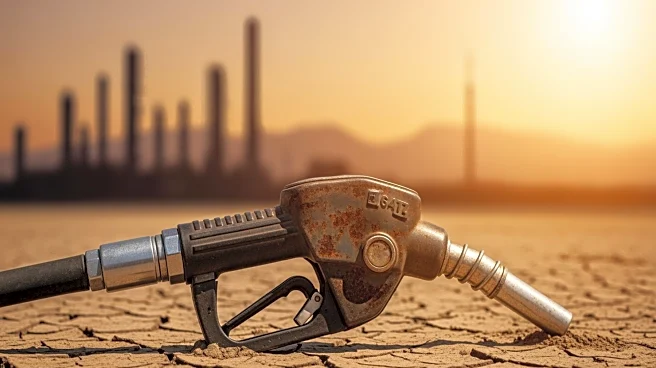
Gasoline prices in the U.S. have surged, reaching an average of $3.99 per gallon, a 34% increase from the previous month, according to AAA. This rise is attributed to ongoing global oil supply disruptions due to the war in the Middle East. Many American
workers, including Uber drivers, delivery personnel, and self-employed professionals, who rely on personal vehicles for their jobs, are facing financial strain. Leslie Sherman-Shafer, an Uber driver, reports spending significantly more on fuel, impacting her earnings. Companies like Alpine Maids and Doggy Lama Pet Care are adjusting their reimbursement rates to help employees cope with the increased costs. However, these measures are not sufficient to offset the financial burden entirely.
Why It's Important?
The increase in gasoline prices has a ripple effect on the U.S. economy, particularly affecting workers who use their vehicles for employment. This situation highlights the vulnerability of gig economy workers and small businesses to fluctuations in fuel prices. As fuel costs rise, these workers face reduced disposable income, which can lead to decreased consumer spending and economic activity. Additionally, businesses may need to increase service prices to cover higher operational costs, potentially leading to reduced demand and further economic challenges.
What's Next?
If gasoline prices continue to rise, more businesses may need to adjust their pricing strategies or offer additional compensation to employees. This could lead to increased costs for consumers and potential changes in consumer behavior. Policymakers may face pressure to address fuel price volatility and its impact on the economy, possibly through subsidies or other interventions. The situation underscores the need for sustainable energy solutions to reduce dependency on volatile oil markets.