








What's Happening?
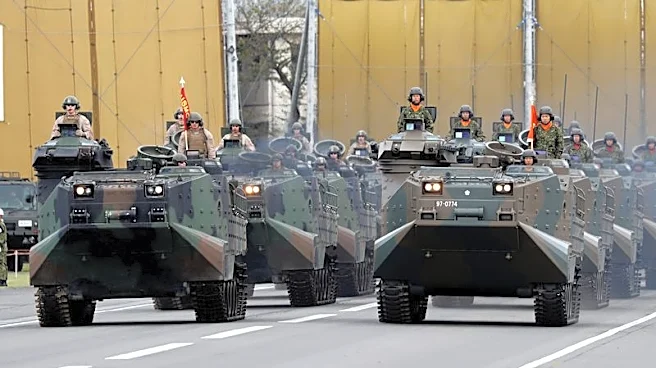
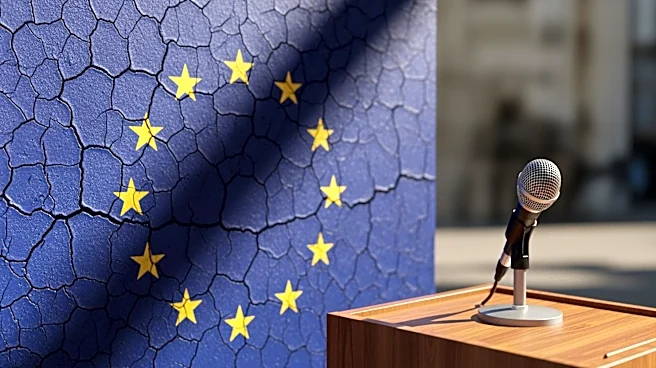
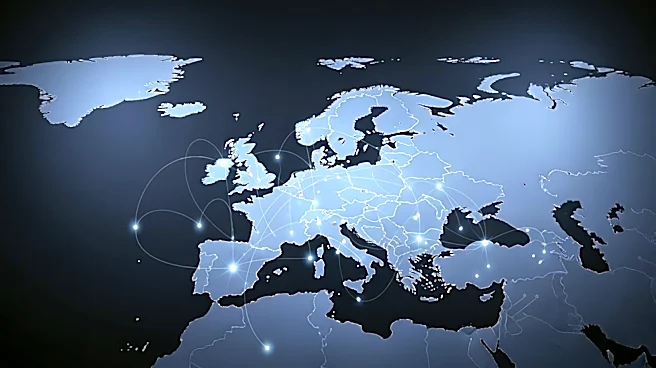
European officials are advancing plans to establish a 'European NATO' to ensure military cohesion and nuclear deterrence in the event of a U.S. withdrawal from the alliance. This initiative, reported by the Wall Street Journal, focuses on replacing American
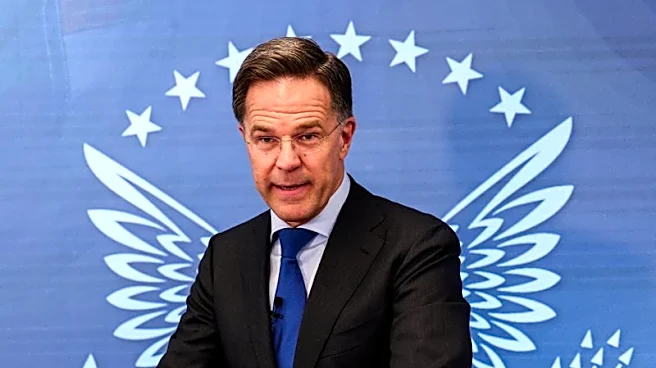
military assets in Europe with European command-and-control structures. The plan, which gained traction following President Trump's controversial comments about NATO and his desire to acquire Greenland, aims to reduce reliance on U.S. military leadership. Recent tensions have been exacerbated by European refusal to support Trump's blockade of the Strait of Hormuz, further straining the alliance. NATO Secretary General Mark Rutte has indicated a shift towards a more European-led alliance, reflecting growing concerns over U.S. commitment.
Why It's Important?
The potential shift in NATO's command structure underscores the fragility of the alliance under current U.S. leadership. A move towards a European-led NATO could redefine military and strategic alliances, impacting global security dynamics. This development highlights the need for Europe to ensure its defense capabilities independently, potentially leading to increased military spending and strategic realignments. The situation also reflects broader geopolitical tensions, particularly in relation to U.S. foreign policy decisions and their impact on international alliances. The plan to establish a European NATO is a significant step towards greater European autonomy in defense matters.
What's Next?
As European nations continue to develop this contingency plan, there may be increased diplomatic efforts to address the underlying tensions with the U.S. and ensure the stability of the NATO alliance. The U.S. Congress may also face pressure to reinforce legislative measures that prevent unilateral withdrawal from NATO. European countries might accelerate investments in military capabilities and leadership structures to prepare for a potential reduction in U.S. involvement. The ongoing discussions and strategic planning will likely shape the future of transatlantic relations and military cooperation.