








What's Happening?
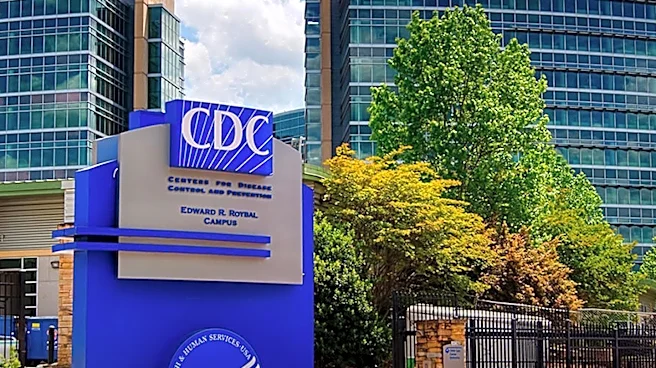
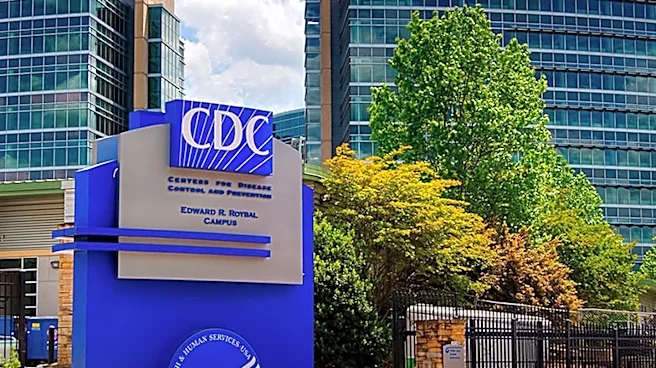
U.S. hospitals recorded a 27% increase in lab-confirmed flu admissions, reaching 6,100 in the week ending October 24, up from 4,811 the previous week. Concurrently, the Centers for Disease Control and Prevention (CDC) confirmed the first pediatric flu death
of the season, linked to the H1N1 strain, occurring in the week ending October 10. While national flu activity remains low, it is rising in many regions, with HHS Region 9 (California, Arizona, Nevada, and Hawaii) reporting the highest admission rate. The CDC notes that an early rise in activity does not necessarily predict a higher seasonal peak or greater overall severity. Adults aged 65 and older continue to face the highest hospitalization rates, followed by children aged 4 and younger. The CDC estimates at least 1 million illnesses, 16,000 hospitalizations, and 900 deaths have occurred so far this season.
Why It's Important?
The early and significant rise in flu hospitalizations, coupled with the first pediatric death, underscores the ongoing public health challenge posed by influenza. This trend highlights the vulnerability of specific demographics, particularly the elderly and young children, to severe outcomes. The increased burden on healthcare systems, as evidenced by the 27% jump in admissions, could strain resources if the season intensifies. The CDC's recommendation for everyone aged 6 months and older to get a flu shot becomes critical in mitigating widespread illness and preventing severe complications. The circulation of the H1N1 strain, with observed genetic diversity, also raises questions about potential vaccine effectiveness, although current data suggests good recognition by this season's vaccine.
What's Next?
The CDC's FluSight forecasts indicate a likely continued increase in national flu admissions, with projections ranging from 4,800 to 23,200 new weekly admissions by mid-November. The next weekly FluView update will provide further insights into whether admissions continue to climb, if Region 9 maintains its lead in activity, and if more pediatric deaths are reported. Public health officials will continue to monitor the situation closely, emphasizing the importance of vaccination and prompt medical attention for high-risk individuals. Families are encouraged to schedule flu shots, especially if planning holiday gatherings, as protection takes about two weeks to develop. Antiviral medications are most effective when started within two days of symptom onset, particularly for high-risk groups.
Beyond the Headlines
The early onset of the flu season and the confirmed pediatric death serve as a stark reminder of the persistent threat of infectious diseases, even as public attention may be focused elsewhere. This situation highlights the critical role of routine vaccinations in community health and the importance of public health messaging to encourage timely immunization. The observed genetic diversity in circulating H1N1 viruses also points to the continuous evolutionary challenge posed by influenza, necessitating ongoing surveillance and vaccine development efforts. Beyond the immediate health impacts, a severe flu season can have broader societal implications, including disruptions to schools and workplaces, and increased economic strain due to healthcare costs and lost productivity.