




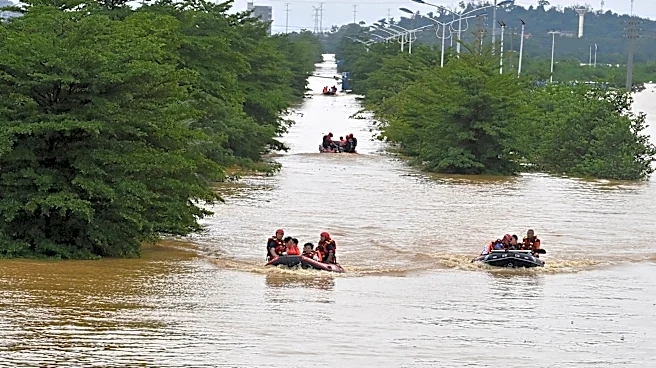


What's Happening?
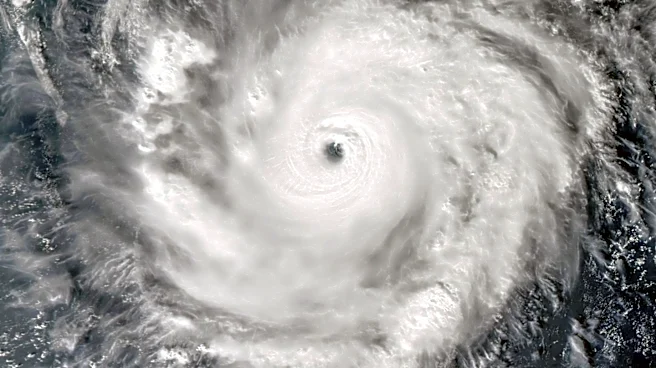
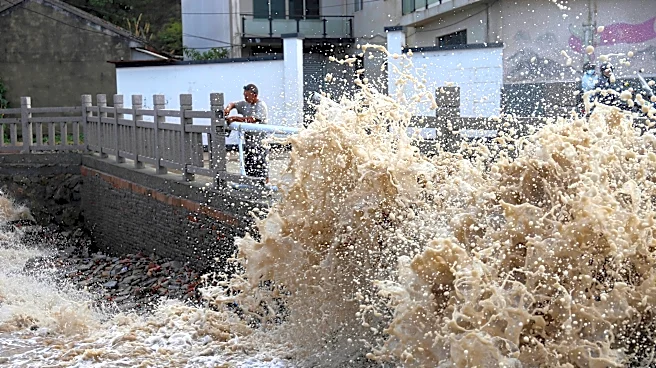
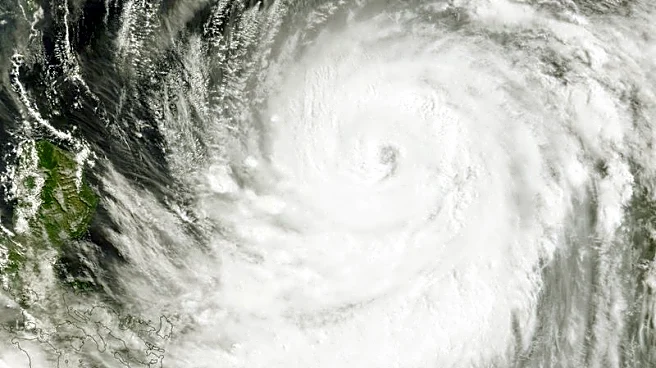
Typhoon Bavi made landfall in China's eastern Zhejiang province, prompting the evacuation of more than 1.7 million people. The storm, with maximum sustained winds of 89 mph, is equivalent to a Category 1 hurricane. It is the second typhoon to hit China in just
over a week, following Typhoon Maysak. The National Meteorological Center of China issued an orange typhoon alert, the second-highest level, and a red rainstorm warning, the first of the year. The typhoon has caused widespread disruptions, including school closures, transport shutdowns, and the cancellation of hundreds of flights. In addition to the evacuations, the Chinese government has allocated $5.9 million in disaster relief funds to support affected regions.
Why It's Important?
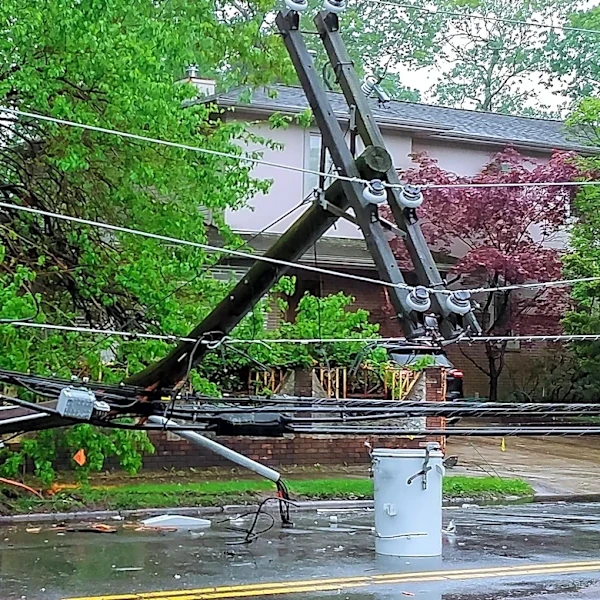
The impact of Typhoon Bavi is significant as it affects millions of people in densely populated areas of eastern China. The evacuations and disruptions highlight the vulnerability of coastal regions to severe weather events, which are becoming more frequent and intense due to climate change. The financial implications are also considerable, with emergency funds being allocated and economic activities disrupted. The typhoon's effects extend beyond China, having already caused deadly landslides in the Philippines and injuries in Taiwan, demonstrating the broader regional impact of such natural disasters.
What's Next?
As Typhoon Bavi moves inland, authorities will continue to monitor its path and potential weakening. The focus will shift to recovery and relief efforts, with emergency services on standby to assist affected communities. The Chinese government may need to assess and improve infrastructure resilience to better withstand future storms. Additionally, international aid and cooperation may be sought to address the broader regional impacts, particularly in the Philippines and Taiwan.