





What's Happening?
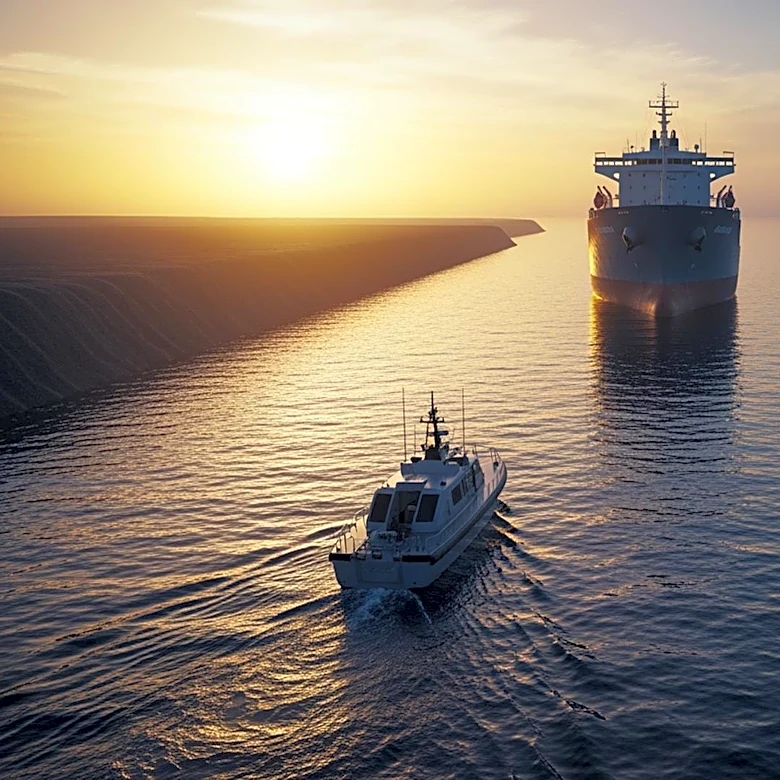
President Donald Trump has dismissed Iran's latest proposal aimed at ending ongoing hostilities, labeling it as 'not acceptable.' This development comes in the wake of an attack on a cargo ship near the Strait of Hormuz, which was reportedly swarmed by
multiple small boats. The rejection of Iran's proposal indicates a continuation of strained relations between the U.S. and Iran, particularly in a region that is critical for global oil transportation. The Strait of Hormuz is a strategic chokepoint, and any conflict in this area can have significant implications for international shipping and oil markets.
Why It's Important?
The rejection of Iran's proposal by President Trump underscores the persistent tensions between the U.S. and Iran, which have implications for global security and economic stability. The Strait of Hormuz is a vital passage for oil shipments, and disruptions in this area can lead to fluctuations in global oil prices, affecting economies worldwide. The U.S.'s stance may also influence its relations with allies and other countries involved in Middle Eastern geopolitics. Furthermore, the ongoing conflict poses risks to international shipping, potentially leading to increased insurance costs and rerouting of vessels, which could impact global trade.
What's Next?
With President Trump's rejection of Iran's proposal, the situation in the Strait of Hormuz remains tense. The U.S. may consider increasing its military presence in the region to safeguard shipping lanes and deter further attacks. Diplomatic efforts may continue behind the scenes, as other nations with vested interests in the region's stability could seek to mediate between the U.S. and Iran. The international community will likely monitor the situation closely, as any escalation could have far-reaching consequences for global security and economic stability.