





What's Happening?
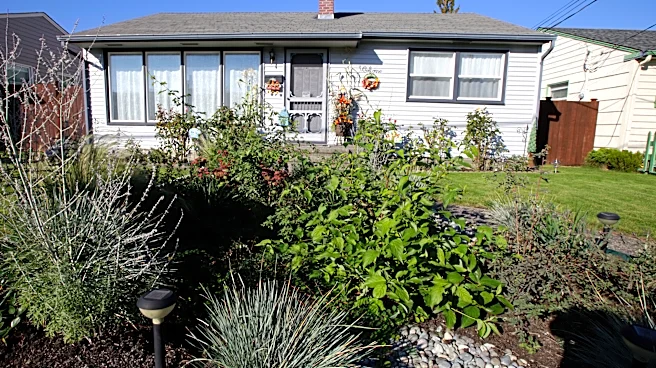
Rain gardens are being increasingly adopted as a natural and aesthetic solution to manage heavy rainfall and prevent water damage to homes. These depressed beds, planted with native perennials and shrubs, are strategically placed to collect runoff from
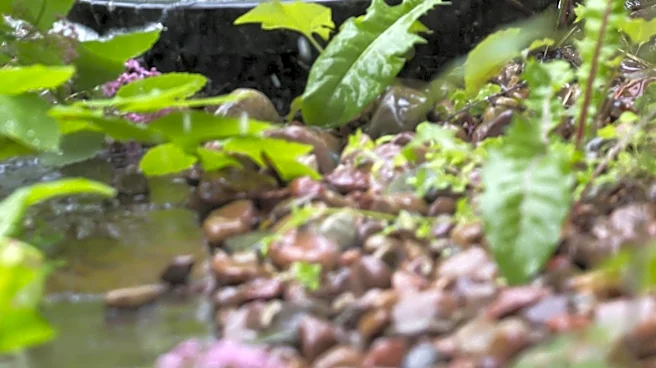
downspouts, driveways, and compacted soil. The plants and soil in a rain garden filter pollutants while absorbing excess water, preventing it from entering storm drains, watersheds, and basements. Experts recommend placing rain gardens at least 10 feet from structures and avoiding sloped or already soggy areas. The design can vary in size and shape, with popular options including kidney, crescent, round, and teardrop forms. The bed should be dug to create a gradual slope towards the center, making it about 6 inches lower than the perimeter, or by creating a berm around a sunken bed. Water can be directed to the garden using gutter extensions, downhill slopes, trenches, or underground PVC pipes. Lining trenches with rocks can help slow the water flow. Native plants, chosen for their high-water tolerance, are ideal, with those requiring the most water placed in the center and those with moderate needs along the drier perimeter. The Ladybird Johnson Wildflower Center's Plant Finder is a useful resource for selecting appropriate plants based on horticultural zone and sun exposure.
Why It's Important?
The increasing frequency of extreme weather events, including heavy rain and floods, driven in part by human-caused climate change, makes effective water management crucial for homeowners and communities. Rain gardens offer a multi-faceted benefit by not only mitigating the risk of basement flooding and foundation damage but also by protecting local ecosystems. By filtering pollutants like road sediment, debris, pet waste pathogens, fertilizers, and chemicals from runoff, these gardens prevent harmful substances from contaminating storm drains, watersheds, and wetlands. This ecological function contributes to healthier local environments and water quality. For homeowners, investing in a rain garden can be a proactive measure to safeguard their property from water-related damage, potentially reducing repair costs and insurance claims. Furthermore, the use of native plants in rain gardens supports local biodiversity by providing habitats for bees, birds, and butterflies, enhancing the aesthetic appeal of residential areas while serving a vital environmental purpose. The low maintenance requirements after the initial establishment period also make them a sustainable long-term solution.
What's Next?
As awareness of climate change and its impact on weather patterns grows, the adoption of rain gardens is likely to increase across the U.S. Homeowners and community planners may increasingly integrate these natural solutions into urban and suburban landscapes. Educational initiatives and resources, such as those provided by the Ladybird Johnson Wildflower Center, will continue to play a key role in guiding individuals on proper design and plant selection. There may be a trend towards local government incentives or programs to encourage the installation of rain gardens, recognizing their benefits for stormwater management and environmental protection. Continued research into native plant species suitable for various climates and soil types will further enhance the effectiveness and accessibility of rain garden solutions. Additionally, the integration of rain gardens into broader green infrastructure projects could become more common, contributing to resilient communities capable of adapting to future climate challenges.
Beyond the Headlines
The widespread implementation of rain gardens signifies a broader shift towards sustainable and nature-based solutions in urban planning and residential landscaping. This approach moves beyond traditional engineering solutions for stormwater management, which often involve extensive concrete infrastructure, to embrace ecological principles. It highlights a growing recognition that natural systems can provide cost-effective and environmentally beneficial services. The emphasis on native plants in rain gardens also reflects a deeper understanding of ecological restoration and the importance of supporting local biodiversity. This trend could foster a greater connection between individuals and their local environment, encouraging more sustainable practices in daily life. Ethically, promoting rain gardens aligns with principles of environmental stewardship and community resilience, encouraging collective action to address climate impacts. Culturally, it could lead to a re-evaluation of aesthetic norms in landscaping, favoring functional and ecologically beneficial designs over purely ornamental ones.