



What's Happening?
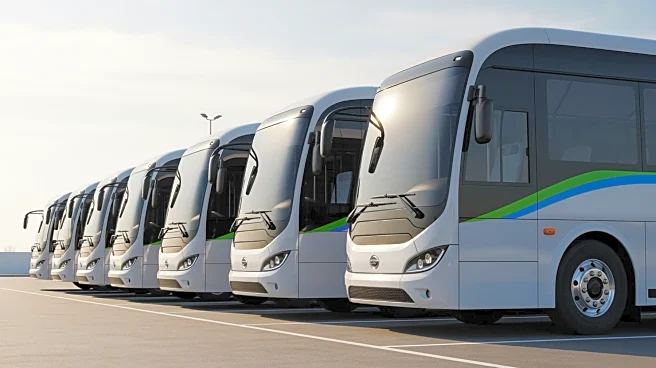
The city of Worcester has rolled out 20 new electric school buses as part of its efforts to enhance sustainability and reduce emissions. This initiative is part of a broader push to modernize the city's transportation infrastructure and reduce its carbon
footprint. The new buses are expected to provide a cleaner, quieter, and more efficient mode of transportation for students. WBZ-TV's Levan Reid reported on the new buses and how they operate, highlighting the city's commitment to environmental responsibility and innovation in public transportation.
Why It's Important?
The introduction of electric school buses in Worcester represents a significant step towards reducing the environmental impact of public transportation. By transitioning to electric vehicles, the city aims to lower greenhouse gas emissions and improve air quality, benefiting public health and contributing to climate change mitigation efforts. This move also aligns with broader state and national goals to increase the adoption of electric vehicles and reduce reliance on fossil fuels. The initiative could serve as a model for other cities looking to modernize their transportation systems and invest in sustainable infrastructure.
What's Next?
As Worcester implements its new fleet of electric school buses, the city will likely monitor their performance and gather data to assess the benefits and challenges of the transition. This information could inform future decisions on expanding the electric fleet and investing in additional charging infrastructure. Other municipalities may look to Worcester's experience as a case study for their own sustainability initiatives. Continued support from state and federal programs could facilitate further adoption of electric vehicles in public transportation systems across the country.