





What's Happening?
As Hunger Action Month drew to a close and October campaigns commenced, grocers across the United States significantly increased their contributions to food security initiatives. These efforts include substantial food donations, the launch of fundraising
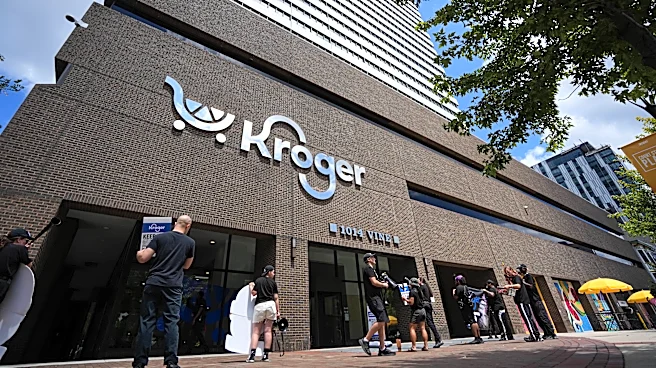
campaigns, and the distribution of community grants. For instance, H-E-B has intensified its partnerships with food banks in the Feeding Texas network, leading to near-daily pickups of fresh produce, proteins, and prepared meals. This has more than doubled both the variety and total pounds of food shared with families in need, with over 9 million pounds collected this summer alone. Similarly, Walmart announced a $15 million grant to Feeding America to enhance food rescue and delivery through the charitable food system, aiming to help rescue 500 million pounds of food over the next 18 months. The Cub Foundation also committed nearly $250,000 in grants to Minnesota nonprofits, focusing on youth development, family stability, and food security, with plans to invest over $500,000 annually. Other grocers like Weis Markets, Wakefern Food Corp., Tops Friendly Markets, Big Y, Kroger, Market 32, Price Chopper, and Aldi have also rolled out various programs, including honey donations, squash harvesting events, educational support programs, breast cancer awareness campaigns, domestic violence shelter support, and childhood cancer research funding.
Why It's Important?
These widespread initiatives by major grocers are crucial in addressing the persistent issue of food insecurity across the U.S. The enhanced partnerships and increased donations directly impact millions of Americans who face hunger, providing access to fresh and nutritious food that might otherwise go to waste. For example, H-E-B's efforts are particularly significant in Texas, where over 6 million people experience food insecurity. Walmart's substantial grant to Feeding America highlights the critical role of corporate philanthropy in strengthening the infrastructure of food banks, enabling them to more efficiently rescue and distribute food. Beyond direct food aid, some grocers are also supporting broader community needs, such as the Cub Foundation's grants for youth development and family stability, and Aldi's continued funding for childhood cancer research. These actions demonstrate a growing commitment from the retail sector to corporate social responsibility, leveraging their extensive networks and resources to create a tangible positive impact on public health and well-being, while also fostering stronger community relations and brand loyalty.
What's Next?
The momentum generated by these initiatives is expected to continue, with many programs extending beyond Hunger Action Month. H-E-B's 'Help End Hunger' checkout donation campaign will run through October 6, benefiting Feeding Texas food banks. Walmart's $15 million grant to Feeding America is projected to facilitate the rescue of 500 million pounds of food over the next 18 months, indicating a sustained effort in food recovery and distribution. The Cub Foundation plans to invest over $500,000 annually in Minnesota nonprofits, suggesting ongoing support for community programs. Additionally, Market 32 and Price Chopper's annual 'Fill a Glass with Hope/Fill a Plate with Promise' campaign, along with their youth soccer sweepstakes, will continue to provide support to regional food banks and youth organizations. These ongoing commitments from grocers and their partners are likely to lead to further collaborations and expanded programs aimed at addressing food insecurity and other community needs in the coming months and years.
Beyond the Headlines
The collective actions of these grocers underscore a broader societal shift towards integrating corporate responsibility with core business operations. This trend moves beyond simple charitable donations to strategic partnerships that address systemic issues like food waste and access to nutritious food. The emphasis on rescuing shorter-shelf-life items, as seen with H-E-B, not only combats hunger but also contributes to environmental sustainability by reducing food waste. Furthermore, the involvement of employees in volunteer efforts, such as those coordinated by Weis Markets and Wakefern, fosters a culture of community engagement within these companies. These initiatives also highlight the power of public-private partnerships in tackling complex social challenges, demonstrating how businesses can leverage their logistical capabilities and financial resources to complement the work of non-profits and government agencies. The diverse range of causes supported, from hunger relief to childhood cancer and domestic violence, reflects a holistic approach to community well-being, recognizing the interconnectedness of various social issues.