









What's Happening?
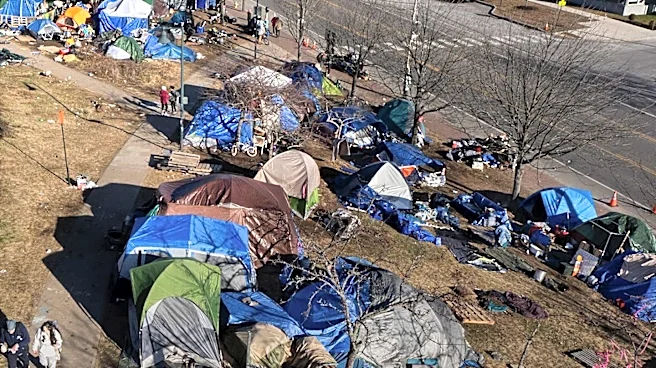
Mayor Zohran Mamdani is facing scrutiny regarding reports of a significant homeless encampment on Manhattan's West Side. The encampments, described by some as sprawling, have been a point of contention, with local vendors expressing frustration. Mamdani's
administration has focused on connecting homeless individuals to shelters and stable housing, rather than simply relocating them. The approach involves social workers from the Department of Homeless Services engaging with the homeless for seven days before any action is taken to dismantle their setups. Despite reports of a 12-block-long encampment, only a few scattered sites were found by NBC New York. Mamdani acknowledges the historical failures of previous administrations in addressing homelessness and emphasizes the need for a different approach. However, some community members and officials, like City Councilmember Carl Wilson, demand more immediate action to ensure clean and safe streets.
Why It's Important?
The situation highlights the ongoing challenges faced by urban areas in addressing homelessness. Mayor Mamdani's approach reflects a shift towards more compassionate and sustainable solutions, focusing on long-term housing rather than temporary fixes. This strategy could influence public policy and set a precedent for other cities dealing with similar issues. The effectiveness of this approach is crucial, as it impacts not only the homeless population but also local businesses and residents who are affected by the presence of encampments. The debate underscores the tension between immediate public safety concerns and the need for systemic change in how homelessness is addressed.
What's Next?
The administration's next steps will likely involve evaluating the effectiveness of the current outreach strategy and making necessary adjustments. There may be increased pressure from community leaders and residents for more immediate action, which could lead to policy changes or increased resources for housing solutions. The NYPD's readiness to intervene if given the directive suggests potential future involvement in managing the encampments. The outcome of this situation could influence future city policies and the allocation of resources towards homelessness.