




What's Happening?
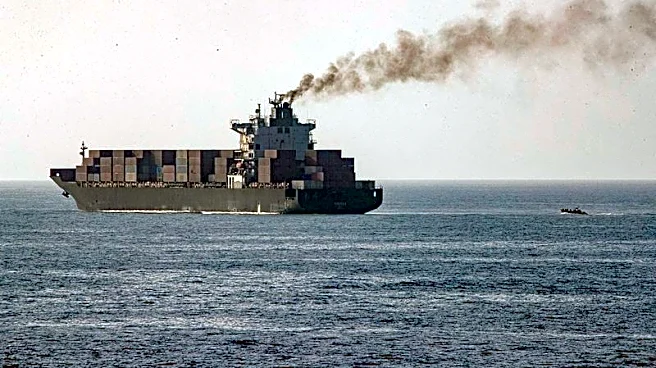
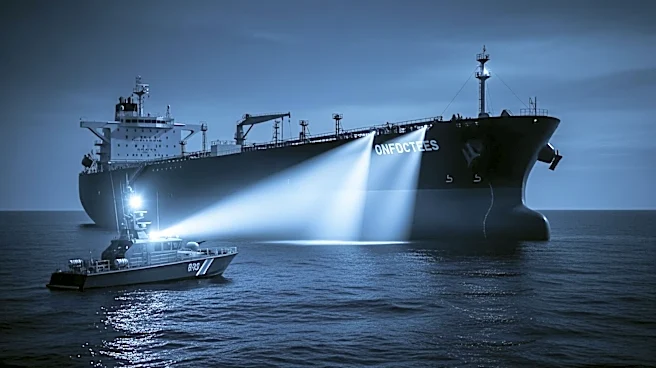
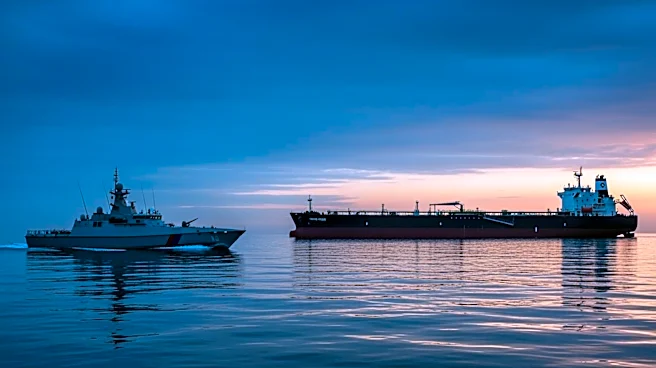
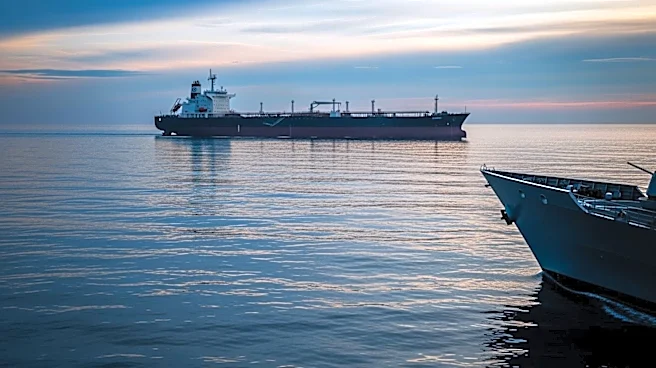
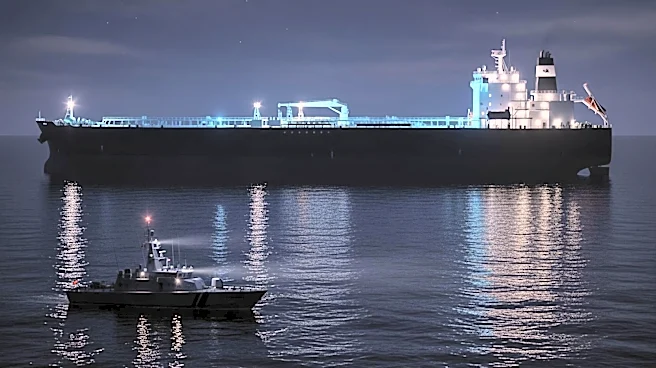
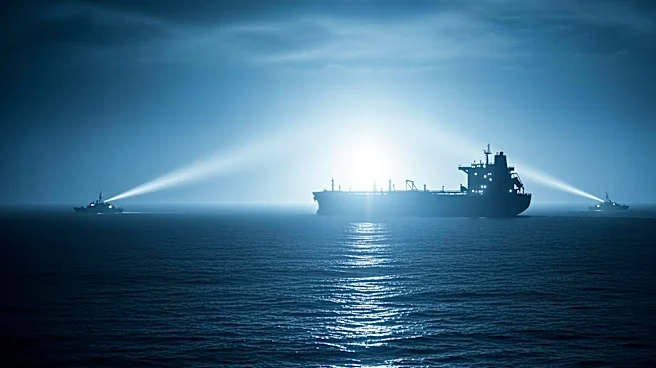
U.S. forces have boarded a sanctioned Iranian oil supertanker, the Majestic X, in the Indian Ocean as part of a crackdown on Iran's oil trade. This action is part of a broader U.S. blockade targeting Iran's shipping activities, which has included multiple
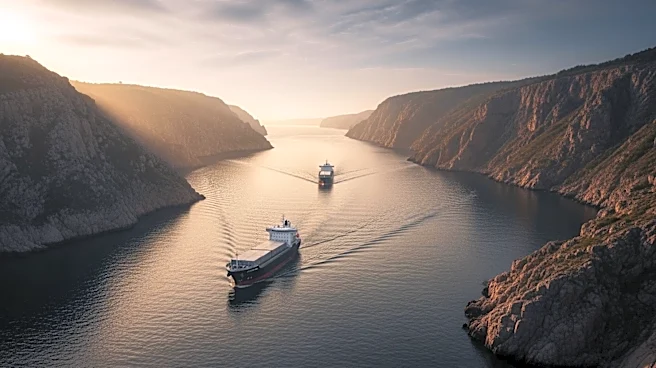
interdictions of supertankers in recent days. The Majestic X, also known as the Phonix, is capable of carrying 2 million barrels of oil. The U.S. military's actions are aimed at enforcing sanctions and preventing Iran from exporting oil, which has been a significant source of revenue for the country. The blockade has resulted in a significant reduction in oil and fuel shipments through the Strait of Hormuz, a critical oil channel.
Why It's Important?
The U.S. enforcement actions against Iranian oil shipments underscore the ongoing geopolitical tensions between the two countries. By targeting Iran's oil trade, the U.S. aims to exert economic pressure on Tehran, which could have broader implications for global oil markets. The blockade has already contributed to higher oil and gas prices, affecting global supply chains and economic stability. The situation highlights the strategic importance of the Strait of Hormuz, through which a significant portion of the world's oil supply passes. The U.S. actions also demonstrate its commitment to enforcing sanctions and maintaining control over key maritime routes.
What's Next?
The U.S. is likely to continue its enforcement actions against Iranian oil shipments, potentially leading to further disruptions in global oil supply. The situation may prompt reactions from other countries involved in the region, as well as from international organizations concerned with maintaining stability in global energy markets. The ongoing tensions could also impact diplomatic relations between the U.S. and Iran, with potential implications for future negotiations on nuclear and economic issues. Monitoring the situation will be crucial for stakeholders in the energy sector and international relations.